

Pinterest is the search engine your marketing plan keeps ignoring — and in 2026 that blind spot is expensive. While brands fight for scraps of attention on crowded feeds, Pinterest marketing strategy works quietly in the background: every pin you publish is a searchable, evergreen asset that keeps sending traffic for months, not hours. Pinterest reports over 500 million monthly active users, and unlike social scrollers, Pinners arrive with intent — they are planning purchases, renovations, weddings, and business moves.
The commercial case is hard to argue with. Pinterest reports that 85% of Pinners have made a purchase based on pins from brands, and its users skew toward higher household incomes — roughly 45% of US users earn over $100K a year.
In this guide, you will learn the 9 tactics that drive traffic and sales in 2026 — from Pinterest SEO and board architecture to Idea Pins, shopping features, AI-assisted pin creation, and promoted pins that scale what works.
🔑 Key Takeaways
- Pinterest is a search engine, not a social feed: a Pinterest marketing strategy compounds — pins rank for months and keep driving traffic long after publishing.
- Intent beats attention: 85% of Pinners have bought from brand pins, and users arrive planning purchases, not killing time.
- SEO runs the platform: keyword-rich pin titles, descriptions, and board names decide who finds you.
- Shopping is built in: Product Pins, catalogs, and the shop tab turn your Pinterest marketing strategy into a direct revenue channel.
- AI scales creation: design and scheduling tools let a small team publish daily pins without a big budget.
📑 Table of Contents
- What Is a Pinterest Marketing Strategy?
- Way 1: 🏢 Start With a Pinterest Business Account
- Way 2: 🔍 Build Your Pinterest Marketing Strategy Around Search
- Way 3: 🖼️ Design Vertical Pins That Stop the Scroll
- Way 4: 📋 Build Keyword-Rich Boards
- Way 5: ✨ Publish Idea Pins for Engagement
- Way 6: 🛍️ Turn Your Profile Into a Storefront
- Way 7: 🤖 Scale Your Pinterest Marketing Strategy With AI Tools
- Way 8: 📊 Analyze and Schedule Like a Pro
- Way 9: 💰 Amplify Winners With Promoted Pins
- FAQs: Pinterest Marketing Strategy
What Is a Pinterest Marketing Strategy?
A Pinterest marketing strategy is a planned system for using Pinterest to grow traffic, leads, and sales — built on searchable visual content (pins), organized boards, and a consistent publishing rhythm that matches how Pinners discover and buy.
Here is the critical mental shift: Pinterest behaves like Google Images with a shopping cart, not like Instagram. Content on Instagram decays within 48 hours; a single well-optimized pin can rank in Pinterest search and Google Images for six months or more. That evergreen behavior is why a serious Pinterest marketing strategy is one of the highest-ROI channels for bloggers, e-commerce brands, and local businesses alike.
Three forces make 2026 the year to invest:
- Visual search is mainstream. Pinterest Lens-style visual search keeps improving, and AI-assisted search surfaces pins for increasingly specific queries.
- Social commerce keeps growing. Pinterest’s shopping features — product tagging, catalogs, the shop tab — turn discovery directly into checkout.
- Competition is still thin. Most brands under-invest in Pinterest, which means disciplined brands can dominate niches cheaply.
The rest of this guide walks through the 9 tactics in order. Do them in sequence, and you will have a complete, working system by the end.
Way 1: 🏢 Start With a Pinterest Business Account
Every Pinterest marketing strategy begins with the right account type. A free Pinterest business account unlocks analytics, ad tools, rich pins, and catalog uploads — none of which personal accounts get. If you already have a personal account, convert it in settings; you keep your followers.
Complete the setup checklist:
- Claim your website. This verifies ownership, puts your logo on pins that link to your domain, and gives you access to website analytics inside Pinterest.
- Enable Rich Pins. Product, article, and recipe Rich Pins pull metadata (price, title, description) straight from your site, so pins stay accurate automatically.
- Write a keyword-rich profile. Your business name, username, and the one-line “about” field are all searchable — include your niche keyword naturally.
- Upload your logo and brand board covers. A branded profile builds instant credibility with new visitors.
Way 2: 🔍 Build Your Pinterest Marketing Strategy Around Search
Pinterest SEO is the engine of the whole approach. Pinners type queries into the search bar exactly like Google — “small kitchen ideas,” “best budget skincare,” “email marketing templates” — and Pinterest auto-suggests long-tail phrases. Those suggestions are free keyword research: they show you exactly what your audience wants.
Put that research to work in four places:
- Pin titles: lead with your primary keyword, front-loaded in the first 40 characters (mobile truncates the rest).
- Pin descriptions: write 1–2 natural sentences with the keyword plus 2–3 related terms. Keyword stuffing gets pins demoted.
- Board titles and descriptions: boards rank in search too — treat each one like a landing page.
- Profile fields: your display name supports keywords after your brand name (e.g., “Digital 365 Agency | Pinterest Marketing Strategy Tips”).
Pro tip: search your main keyword on Pinterest and screenshot the guided-search bubbles under the search bar. Those bubbles are your content calendar for the next quarter.

Caption: Pinterest analytics turn your Pinterest marketing strategy into a measurable growth channel — track impressions, saves, and outbound clicks weekly.
Way 3: 🖼️ Design Vertical Pins That Stop the Scroll
Creative quality decides whether your pins get clicks or get ignored. The platform’s rules are simple and non-negotiable:
- Go vertical. The ideal pin ratio is 2:3 (1000 × 1500 px). Square and landscape pins get cropped and underperform.
- Overlay readable text. A bold headline on the image (“9 Pinterest Marketing Strategy Tactics”) tells skimmers why to click — use high-contrast, phone-readable type.
- Keep branding subtle. A small logo in a corner builds recognition without hurting saves; watermarks that block the image kill distribution.
- Show real context. Lifestyle photography and in-use shots consistently beat flat product shots on saves and clicks.
- Use 3–5 design templates. Templated layouts keep a small team fast while training your audience to recognize your pins instantly.
Refresh top performers quarterly: new creative on a proven URL often doubles the click-through rate without any new content.
Way 4: 📋 Build Keyword-Rich Boards
Boards are Pinterest’s filing system — and each one can rank in Pinterest and Google search. Aim for 10–20 boards that mirror the way your customers search, not the way your company is organized.
- Name boards for searchers: “Small Business Marketing Tips” beats “Our Blog Posts” every time.
- Write 2–3 sentence board descriptions with your keyword and natural variations.
- Pin your best content first to each board, then mix in curated third-party pins — boards that are 100% self-promotion get less distribution.
- Create sections inside big boards to keep them navigable and keyword-targeted.
- Archive dead boards rather than deleting them; deletion breaks any inbound links they earned.
If you run an Instagram marketing strategy alongside Pinterest, boards are a natural second home for your best carousels and infographics — repurposing one asset across both platforms is exactly how small teams win. Our guide to content repurposing strategy shows how to stretch every piece further.
Way 5: ✨ Publish Idea Pins for Engagement
Idea Pins (Pinterest’s multi-page, video-first format) are the platform’s favorite format for engagement — and smart brands use them as the top of the funnel. Each Idea Pin supports up to 20 pages of images, video, and text overlays, making it perfect for tutorials, step-by-steps, and behind-the-scenes stories.
How to make Idea Pins work:
- Teach, don’t sell. “5 pin designs that doubled our traffic” outperforms product pitches every time.
- Add text overlays on every page — most viewers watch without sound.
- Link Idea Pins to related standard pins so engagement converts into outbound clicks.
- Repurpose ruthlessly: one blog post becomes one Idea Pin, five standard pins, and a board feature. That repurposing loop is the heartbeat of an efficient pin engine.
Way 6: 🛍️ Turn Your Profile Into a Storefront
This is where a Pinterest marketing strategy becomes a revenue line. Pinterest’s shopping stack keeps expanding — Pinterest Business reports steady growth in shopping engagement — and brands that plug into it capture high-intent buyers at the moment of inspiration:
- Upload a product catalog. Pinterest pulls your products into shoppable Product Pins automatically and keeps prices in sync.
- Tag products in lifestyle pins. A room photo with tagged furniture converts far better than a white-background product shot.
- Optimize the shop tab. Your storefront page on Pinterest is browsable inventory — write category descriptions with search keywords.
- Watch the price-drop effect. Pinterest notifies savers when a saved product’s price falls — discounts you already run get extra mileage for free.
Even service businesses benefit: coaches, agencies, and creators use “product” pins for lead magnets, templates, and booking pages.
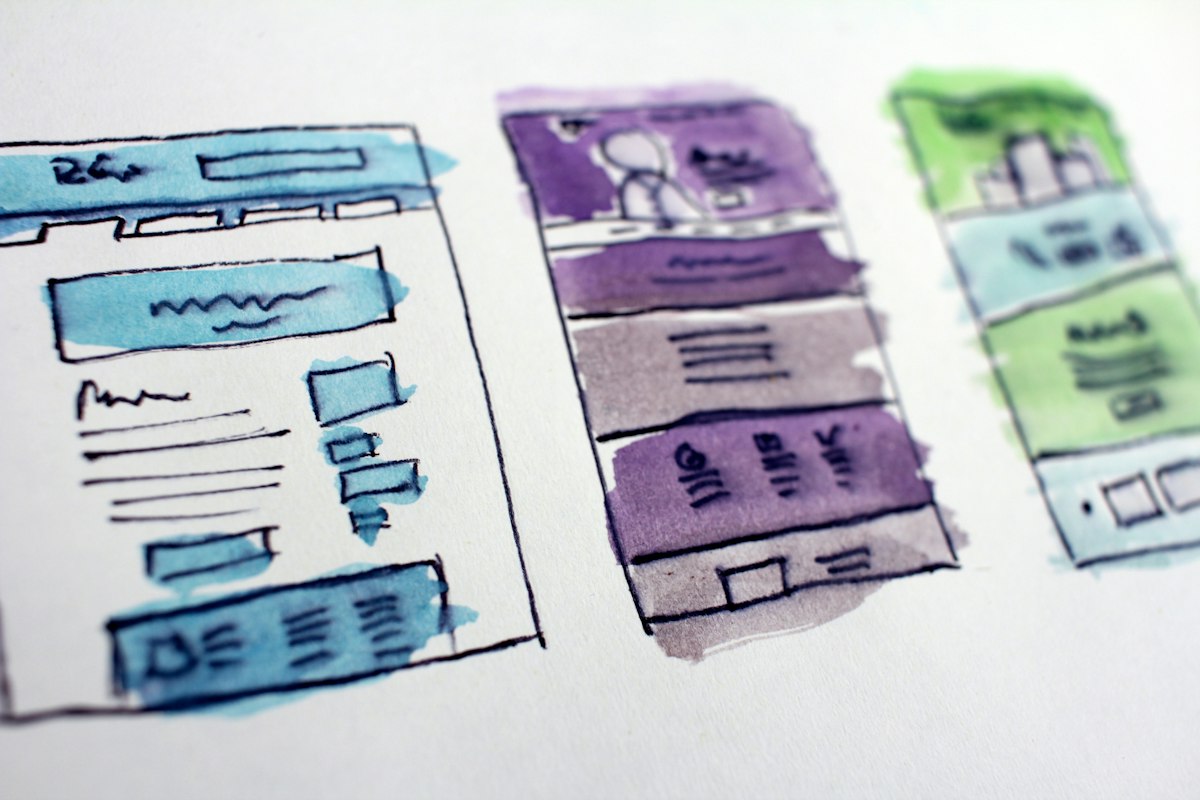
Caption: A consistent design system lets your Pinterest marketing strategy publish daily pins without a design team bottleneck.
Way 7: 🤖 Scale Your Pinterest Marketing Strategy With AI Tools
Consistency wins on Pinterest, and AI tools make consistency cheap. The smart play: use AI for the repetitive 80% and reserve human judgment for the creative 20%:
- Copy generation: draft 10 pin titles and descriptions per blog post in minutes, then human-edit for brand voice.
- Design assistance: tools like Canva’s Magic Design turn one template into dozens of on-brand pin variations.
- Keyword expansion: AI helps brainstorm long-tail variations of your seed keywords for boards and descriptions.
If you are new to AI-assisted content workflows, start with step-by-step AI tutorials that walk through each tool setup — a little guided practice removes the learning curve fast. Pair that with a solid scheduler (see our roundup of social media scheduling tools for 2026) so your AI-generated pins actually ship on a calendar instead of sitting in a folder.
Way 8: 📊 Analyze and Schedule Like a Pro
A Pinterest marketing strategy without measurement is just posting and hoping. Pinterest’s native analytics show impressions, saves, pin clicks, and outbound clicks — the last metric is the one that pays your bills.
- Track outbound clicks per pin, not just impressions. A pin with 10K impressions and 12 clicks is a design problem, not a success.
- Find your 10%: roughly a tenth of pins drive most clicks. Study their topics, formats, and titles, then make more of them.
- Schedule 5–15 pins daily spread through the day using a scheduler — consistency signals keep distribution steady.
- Check Google Search Console too. Pinterest boards and pins increasingly rank in Google Images, so Pinterest quietly boosts your organic search as a side effect.
Caption: Most Pinterest discovery happens on mobile — every pin in your Pinterest marketing strategy must be designed phone-first.
Way 9: 💰 Amplify Winners With Promoted Pins
Organic first, paid second — that is the rule. Once a pin proves itself organically, promoted pins let you scale it to lookalike audiences for a fraction of Meta or Google CPCs in many niches, a dynamic HubSpot’s Pinterest benchmarks also reflect.
- Promote proven organic winners only. If a pin earns clicks for free, paid distribution multiplies a known quantity.
- Start with consideration campaigns optimized for outbound clicks, not impressions.
- Target by interest + keyword, mirroring the SEO research from Way 2 — Pinterest ads reward search-minded targeting.
- Retarget engagers. Build audiences from people who saved your pins or visited your site, then serve them product pins.
- Cap budgets small and test creative. Three creative variants per promoted pin reveal winners within days at low spend.
For budget benchmarks across paid social, see our paid-media guides before you scale spend.
FAQs: Pinterest Marketing Strategy
How often should I post for an effective Pinterest marketing strategy?
Aim for 5–15 fresh pins per day, scheduled consistently. Quality and consistency beat bursts — a steady daily rhythm keeps your Pinterest marketing strategy in distribution, while posting 100 pins once a month does almost nothing.
Is Pinterest marketing strategy worth it for B2B?
Yes, for B2B niches with visual or educational content — marketing, design, software tutorials, and business templates all perform well. Pinterest’s audience includes millions of planners and decision-makers researching solutions, so a focused approach can drive qualified B2B traffic.
How long does a Pinterest marketing strategy take to show results?
Expect 2–3 months of consistent publishing before meaningful traffic, because pins need time to rank in Pinterest search. The upside: once ranked, pins keep working for 6+ months, unlike social posts that die in days.
Do I need paid ads for my Pinterest marketing strategy to work?
No. Organic Pinterest SEO drives the majority of results for most brands. Add promoted pins only after organic winners emerge — paid amplifies what already works rather than rescuing what doesn’t.
What is the best pin size for a Pinterest marketing strategy in 2026?
Use the 2:3 vertical ratio (1000 × 1500 px). Vertical pins dominate the feed layout, and correctly sized pins avoid cropping that kills click-through rates.
Can a Pinterest marketing strategy drive sales directly?
Absolutely. Product Pins, catalogs, product tagging, and the shop tab make Pinterest a direct sales channel — Pinterest reports that a large majority of weekly users have purchased from brand pins, which is why commerce belongs in any revenue-focused plan.
🚀 Your Next Step
A winning Pinterest marketing strategy is not complicated — it is consistent. Set up your business account this week, research 20 keywords with Pinterest’s guided search, design five templates, and start publishing daily. In 90 days, review your analytics, double down on the top 10% of pins, and promote the proven winners.
The brands winning on Pinterest in 2026 are not the ones with the biggest budgets. They are the ones that treat Pinterest like the search engine it is — and show up every single day. Need help building yours? Digital 365 Agency designs and runs Pinterest marketing strategies that turn pins into pipeline. get in touch via our contact page and let’s map your first 90 days.
Sources: Pinterest Business audience and shopping insights (business.pinterest.com); Pinterest newsroom user statistics; HubSpot social media marketing reports; Social Media Examiner industry data. Statistics cited reflect the most recent publicly reported figures available at time of writing.