
Ecommerce live shopping is changing how people buy online. Instead of scrolling through static product pages, shoppers now watch a real person demonstrate a product, ask questions in the chat, and buy without ever leaving the stream. It feels closer to shopping with a friend than to browsing a catalogue — and that feeling is why it converts.
In this guide, you will learn what ecommerce live shopping is, why it works, and 9 proven ecommerce live shopping tactics you can use in 2026, even if you have never gone live before. You will also find the best tools, the metrics that matter, and a simple 30-day launch plan.
Table of Contents
- What Is Ecommerce Live Shopping?
- Why Ecommerce Live Shopping Converts So Well
- 9 Ecommerce Live Shopping Tactics That Sell in 2026
- Best Ecommerce Live Shopping Tools and Platforms
- How to Measure Ecommerce Live Shopping Success
- Common Ecommerce Live Shopping Mistakes to Avoid
- Your 30-Day Ecommerce Live Shopping Launch Plan
- Frequently Asked Questions
Key Takeaways
- Ecommerce live shopping combines entertainment, demonstration and instant checkout into one experience.
- Live viewers buy more often because they can see products in action and get answers immediately.
- Start with one weekly show, one hero product and one clear offer — then scale what the data proves.
- Repurpose every live session into short videos, product page clips and email content.
1. What Is Ecommerce Live Shopping?
Ecommerce live shopping, also called live commerce or livestream shopping, is a real-time video broadcast where a host presents products, answers questions and invites viewers to purchase during the stream. Viewers tap a pinned product, add it to their cart and check out without leaving the video. The format first exploded in Asia and has since become a mainstream sales channel on TikTok, Instagram, YouTube and dedicated shopping apps.
A typical ecommerce live shopping session lasts 30 to 90 minutes. The host demonstrates the product, compares sizes or colours, shows it in real use, and responds to comments as they arrive. Limited-time discounts, bundle deals and giveaways create urgency, while the chat creates social proof: when viewers see other people buying, they feel more confident buying too.
Unlike a pre-recorded advertisement, ecommerce live shopping is two-way. A shopper can ask, “Does this jacket run small?” and get an honest answer on camera within seconds. That immediacy removes the biggest barrier in online shopping — uncertainty — and that is why live commerce keeps outperforming static product pages for so many brands.
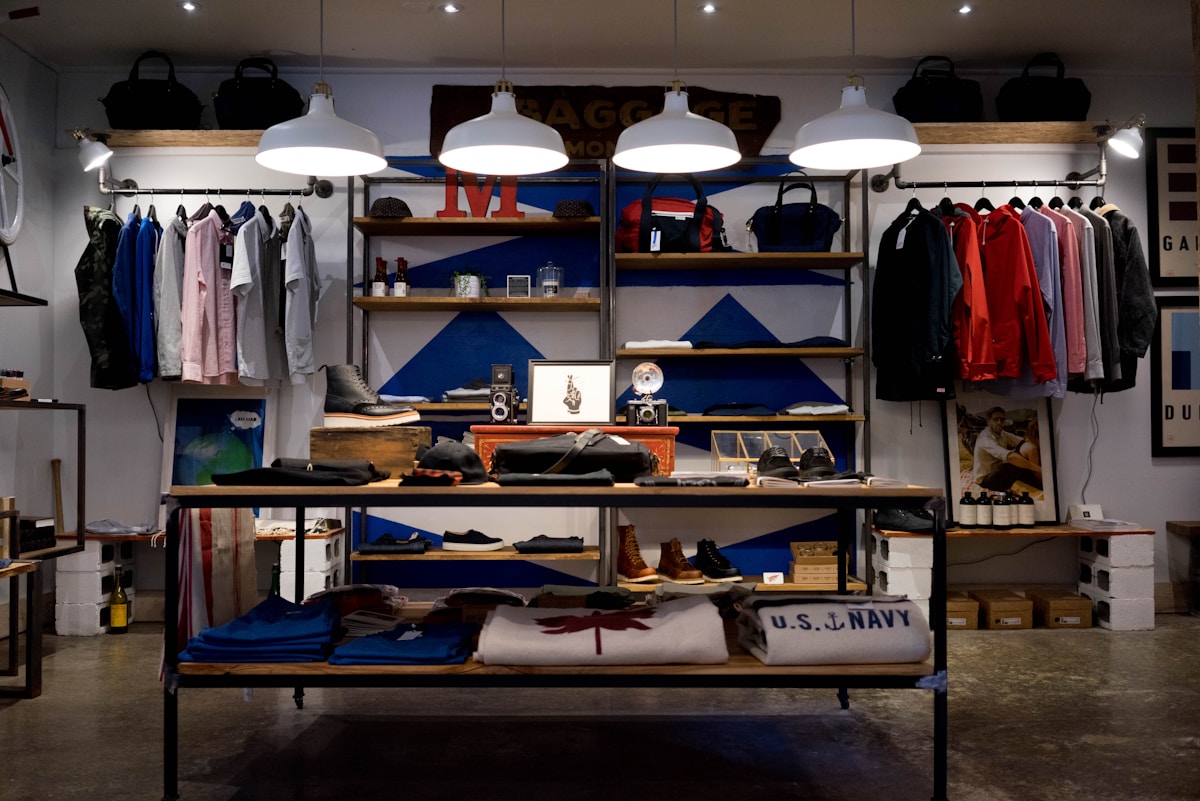
A well-prepared set makes ecommerce live shopping feel professional and trustworthy from the first second.
2. Why Ecommerce Live Shopping Converts So Well
The numbers explain the hype. Industry reports consistently find that live commerce viewers watch longer, engage more and convert at higher rates than visitors who only read a product description. When a shopper spends 20 minutes with a product instead of 20 seconds, purchase intent rises sharply — and ecommerce live shopping is built to hold that attention.
There are four reasons ecommerce live shopping converts so well. First, demonstration beats description. Seeing a skincare product applied, a kitchen gadget used or a garment worn answers questions that photos cannot. Second, real-time answers remove doubt. Third, urgency is genuine. A discount that ends when the stream ends is a real deadline, not a fake countdown timer. Fourth, community builds trust. Repeat viewers return for the host as much as for the product, and that relationship compounds over time.
3. 9 Ecommerce Live Shopping Tactics That Sell in 2026
These nine live shopping tactics work across niches, from fashion and beauty to home goods and electronics. Use them together and your shows will feel polished, persuasive and genuinely fun to watch.
Tactic 1: Lead with one hero product, not your whole catalogue. The most common live commerce mistake is trying to sell twenty products in one hour. Viewers lose track, and nothing gets a proper demonstration. Instead, build each show around one hero product with a clear story: the problem it solves, how it works, and why it is better than the alternatives. Mention two or three supporting products only as natural add-ons, such as a matching accessory or a refill.
Tactic 2: Open with a hook in the first 30 seconds. In live shopping, the first half-minute decides whether a scroller stays or leaves. Open with the result, not the introduction: show the finished look, the before-and-after, or the surprising demo. Then promise what viewers will get by staying — an exclusive discount, a giveaway, or a question answered live.
Tactic 3: Demo the product in real life, not just on a table. The best live commerce hosts use the product the way a customer would. Cook with the pan, wear the shoes on a walk, apply the cream and show the texture up close. Film from angles that mimic holding the product yourself, and zoom in on details such as stitching, materials and packaging. Real-life context answers the silent question every shopper asks: “What will this actually be like when it arrives?”
Tactic 4: Answer the chat out loud, by name. Nothing builds loyalty in live shopping faster than a host who reads comments aloud and answers them personally. Greet returning viewers by name, repeat each question before answering it, and pin the most common questions so late joiners see them too. This turns passive viewers into participants — and participants buy at far higher rates than lurkers. Assign a moderator to filter spam and flag buying questions so the host never misses a sale.
Tactic 5: Stack urgency honestly. Limited stock, a show-only bundle and a discount code that expires at the end of the stream are powerful live commerce tools — but only when they are real. Announce exactly how many units are left, show the countdown, and honour the deadline. Shoppers can spot fake scarcity instantly, and one dishonest show can destroy the trust that live commerce depends on. Honest urgency, by contrast, rewards fast decision-makers without pressuring everyone else.
Tactic 6: Use bundles, gifts and flash drops. Bundles raise average order value in live shopping because the viewer is already in buying mode. Pair the hero product with a complementary item at a show-only price, offer a free gift for the first fifty orders, or drop an unannounced limited colour halfway through the show. Flash drops work especially well because they give viewers a reason to stay until the end — and every extra minute watched increases the chance of a purchase.
Tactic 7: Bring in a guest, creator or happy customer. A second voice keeps live commerce energetic and credible. Invite a creator who genuinely uses the product, interview a customer about their results, or co-host with a team member who can run the demo while you handle the chat. Guests bring their own audiences too, which means every collaboration is also a distribution channel. Brief guests on the key selling points, but let them speak naturally — scripted praise sounds like an advertisement, while honest enthusiasm sells.
Tactic 8: Make checkout effortless. Even the best live shopping show fails if buying is complicated. Pin the product link at the top of the chat, repeat the buying steps verbally, and keep the checkout to as few taps as possible. Test the full purchase path yourself before going live, including on mobile, and make sure discount codes actually work. If your platform supports in-stream checkout, use it; every extra step between “I want it” and “I bought it” costs sales. If you need to improve the pages shoppers land on, our guide to ecommerce product page optimization covers the details that lift conversion.
Tactic 9: Repurpose every show into ten pieces of content. A single live commerce session should fuel a week of marketing. Cut the best demo into a short video for TikTok and Reels, turn the top questions into a FAQ page, clip testimonials for your product pages, and send the replay to your email list with the show offer extended for 24 hours. This is where live commerce pays twice: once in live sales, and again in content that keeps selling after the stream ends. Pair replays with email follow-ups using the campaigns in our ecommerce email marketing guide.
4. Best Ecommerce Live Shopping Tools and Platforms
Your platform choice depends on where your audience already spends time. TikTok Shop suits impulse products and younger audiences, with native in-app checkout and strong live discovery. Instagram Live Shopping works well for fashion, beauty and lifestyle brands with an engaged follower base. YouTube Live is ideal for longer, educational demonstrations and products that need detailed explanation. Shopify and dedicated live shopping apps let you host shows directly on your own store, keeping the traffic and customer data with you.
For equipment, start simple: a recent smartphone, a ring light, a lapel microphone and a stable tripod will outperform an expensive camera with bad audio. As you grow, add a second camera angle, a capture card and a moderator dashboard. If you want to sharpen your on-camera presenting and content skills, step-by-step AI tutorials on AI tool guides can help you plan scripts, generate show outlines and edit clips faster — a practical shortcut for small teams producing weekly shows.
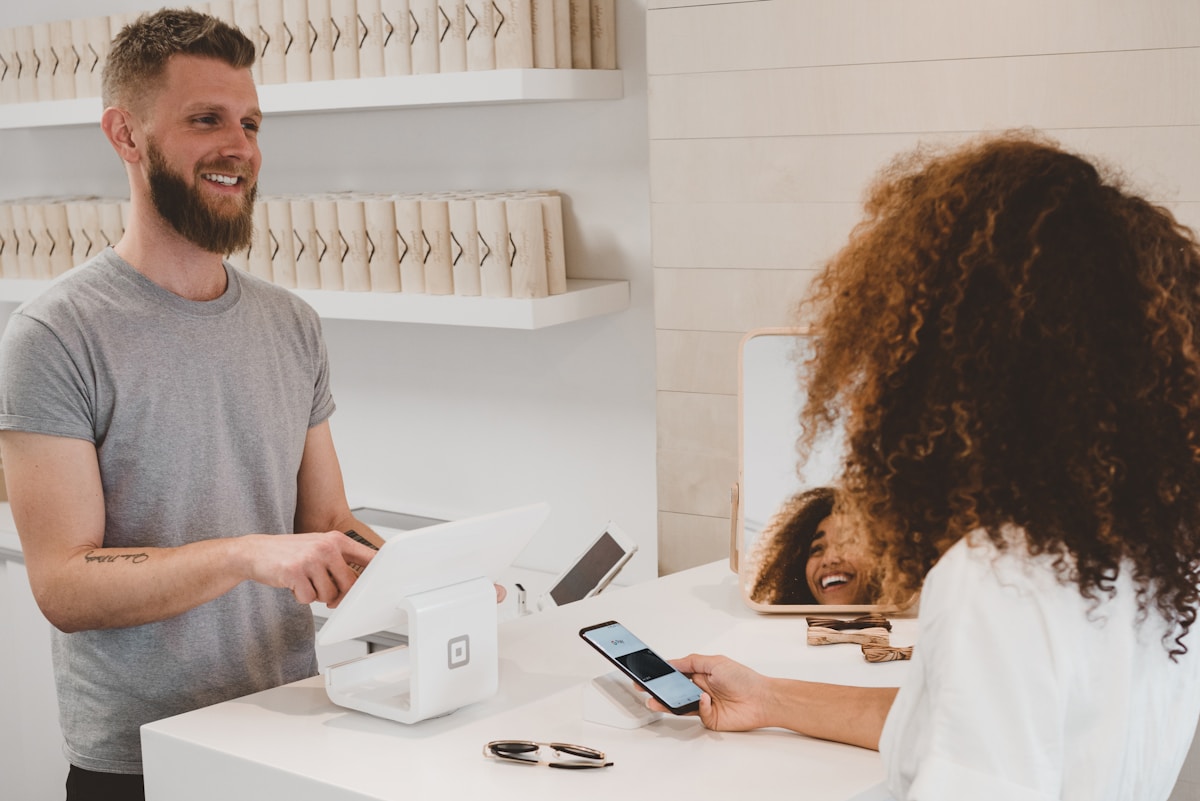
Frictionless mobile checkout is essential for live shopping — most viewers buy from their phones.
5. How to Measure Ecommerce Live Shopping Success
Do not judge live commerce by views alone. Track these five metrics after every show: peak concurrent viewers (how many people watched at once), average watch time (how long they stayed), click-through rate on pinned products, conversion rate (orders divided by product clicks), and revenue per show. Together, they tell you whether a show attracted the right people and turned them into buyers.
6. Common Ecommerce Live Shopping Mistakes to Avoid
- Going live unprepared. Test audio, lighting, product links and discount codes before the show, not during it.
- Reading a script word for word. Bullet points keep you on track; a stiff script kills the energy that makes live commerce work.
- Ignoring the chat. Unanswered questions are lost sales. A moderator is not optional once your audience grows.
- Discounting everything. If every show is 50% off, shoppers stop buying at full price. Use exclusivity, bundles and early access, not just price cuts.
- Quitting after one show. Live audiences compound. Most successful live shopping brands needed four to six shows before the format clicked.
7. Your 30-Day Ecommerce Live Shopping Launch Plan
Week 1: Prepare. Choose your hero product, platform and weekly time slot. Write a one-page run-of-show, prepare your set, and test checkout end to end. Announce the show to your email list and social followers three times before launch day.
Week 2: Launch. Go live for 45 minutes with one hero product, one bundle and one giveaway. Save the replay, clip the best three minutes, and email it to everyone who missed the show.
Week 3: Refine. Review your metrics, answer the most common chat questions in a follow-up post, and invite a guest or customer to your second show. Test a new format element, such as a flash drop or a live poll.
Week 4: Scale. Double down on what worked, schedule your next month of shows, and build a simple playbook so any team member can host. If you are also selling on social channels, our social commerce strategy guide shows how live shows fit into a wider social selling system.
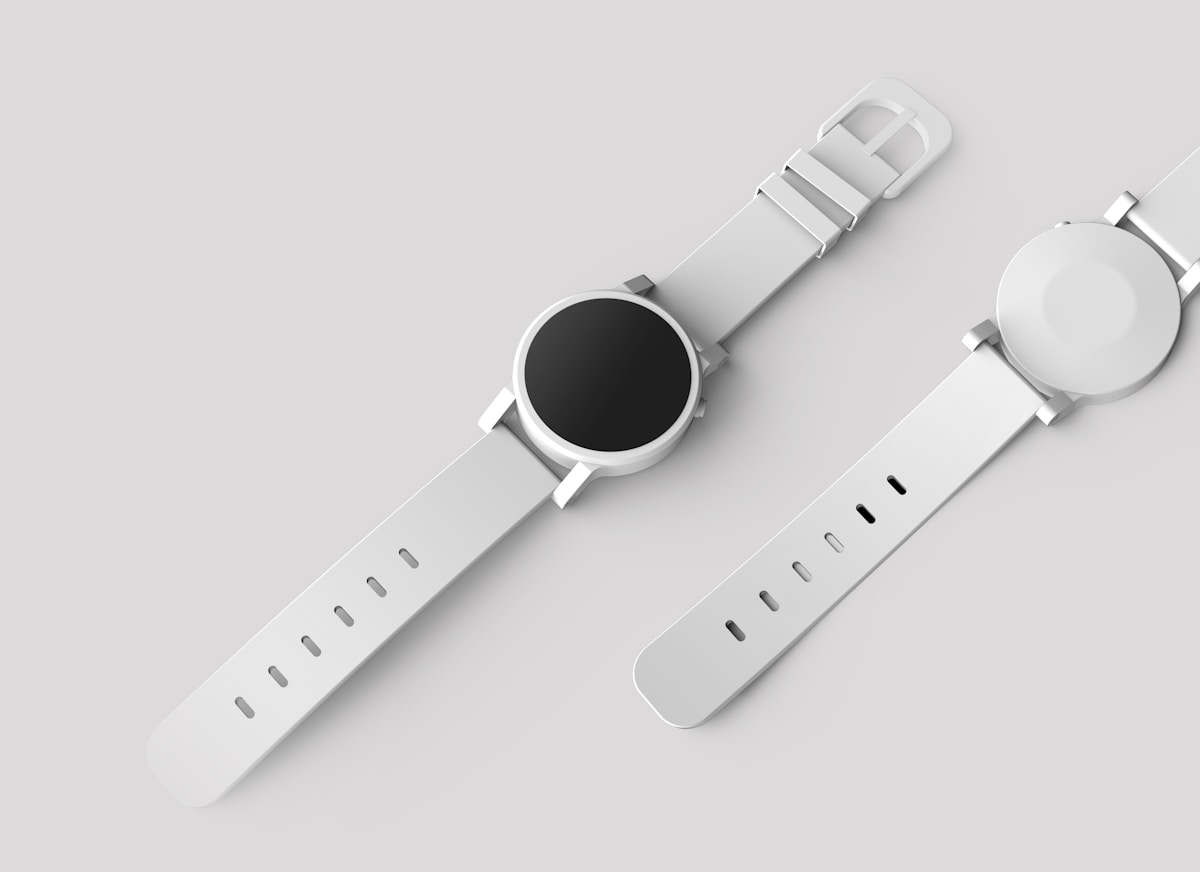
Close-up demonstrations help live commerce viewers judge quality before they buy.
Frequently Asked Questions
How long should a live shopping show be?
Most successful shows run 30 to 90 minutes. Shorter shows suit single products and busy audiences; longer shows work when you have multiple demos, guests and giveaways to sustain energy.
Do I need a large audience to start live commerce?
No. Small, loyal audiences often convert better than large, cold ones because trust is already high. Promote each show to your email list and existing followers, and let platform discovery bring in new viewers gradually.
What equipment do I need for live shopping?
A smartphone, good lighting, a lapel microphone and a tripod are enough to start. Upgrade cameras and production gear only after your shows prove they can generate consistent sales.
How often should I go live?
Once a week is the sweet spot for most stores: frequent enough to build a habit, but not so frequent that preparation quality drops. Consistency matters more than frequency.
Should I offer a discount on every live commerce show?
Not necessarily. Exclusive bundles, early access, free gifts and show-only colours create urgency without training customers to wait for a sale. Rotate your offers so each show feels different.
Sources note: This guide reflects current live commerce platform practices from Shopify and leading industry analysts, combined with Digital 365 Agency’s ecommerce conversion experience. Platform features and eligibility rules change frequently, so verify checkout and policy details on your chosen platform before launch.
Ecommerce live shopping rewards brands that show up consistently, demonstrate honestly and treat viewers like guests, not traffic. Start with one weekly show, learn from every broadcast, and let your audience — and your sales — grow with you.