
Table of Contents
- The Welcome Series
- Abandoned Cart Recovery
- Post-Purchase Thank You & Review Request
- Win-Back Campaigns
- Browse Abandonment Emails
- VIP & Loyalty Rewards
- Replenishment Reminders
- The Weekly Newsletter
- Seasonal & Flash Sale Campaigns
- Choosing Your Email Tool
- FAQs
Key Takeaways
- Ecommerce email marketing delivers roughly $36–$42 for every $1 spent, making it the highest-ROI digital channel for online stores.
- Automation beats blasts: welcome series, cart recovery, and post-purchase flows generate a disproportionate share of revenue on autopilot.
- All 9 campaigns below are proven, benchmark-backed, and easy to launch in Klaviyo, Omnisend, or Mailchimp.
- List growth, segmentation, and deliverability are the foundations — without them, even great copy underperforms.
Ecommerce email marketing remains the highest-ROI channel available to online retailers, generating roughly $36 to $42 in revenue for every dollar spent, according to long-running industry benchmarks from the DMA and Litmus. While paid ads get more expensive every year, your email list is an asset you own outright — no algorithm changes, no rising CPCs, no middlemen.
The difference between stores that merely “send newsletters” and stores that print money with email comes down to one thing: campaign strategy. Below are the 9 ecommerce email marketing campaigns that consistently convert in 2026 — automated flows and broadcasts that recover lost revenue, build loyalty, and turn one-time buyers into repeat customers.
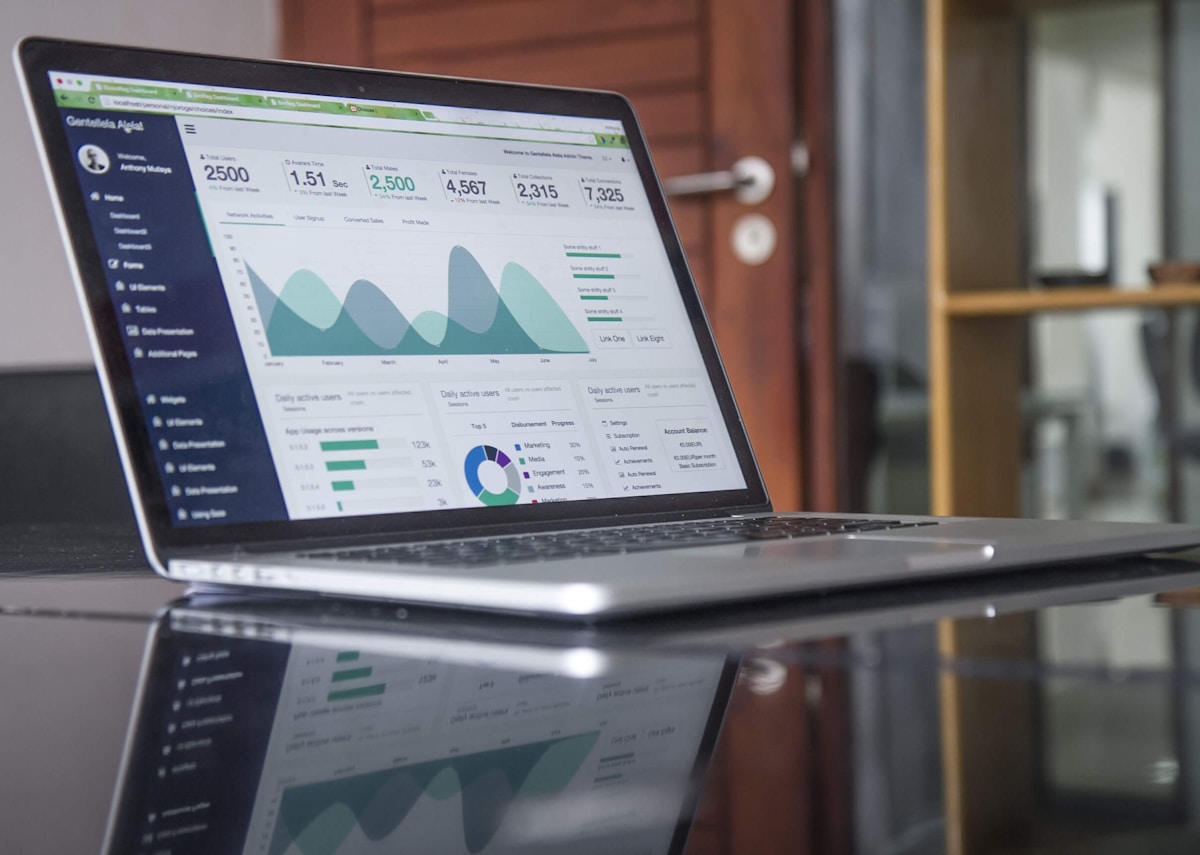
Tracking ecommerce email marketing performance: opens, clicks, and revenue per campaign.
👋 Campaign #1: The Welcome Series
Your welcome series is the single highest-leverage flow in ecommerce email marketing. Industry benchmarks consistently show welcome emails averaging around a ~45% open rate — dramatically higher than typical promotional emails — because subscribers are most engaged in the first 48 hours after signing up.
A high-converting welcome series usually runs 3–4 emails over 7–10 days:
- Email 1 — Instant delivery: Deliver the promised incentive (10% off, free shipping) within minutes. Introduce your brand story and bestsellers.
- Email 2 — Social proof: Share customer reviews, user-generated content, and press mentions to build trust.
- Email 3 — Value + urgency: Remind them their welcome discount expires soon, and showcase a curated collection.
- Email 4 — Community: Invite them to follow you on social, join your loyalty program, or read your buying guides.
Pro tip: In your ecommerce email marketing platform, trigger the welcome flow on list signup (not just purchase), and exclude recent buyers so new customers don’t get conflicting messages. Personalize the subject line with the subscriber’s first name to lift open rates another few points.
🛒 Campaign #2: Abandoned Cart Recovery
Roughly 70% of online shopping carts are abandoned before checkout, per Baymard Institute research — which makes cart recovery emails one of the most profitable campaigns in ecommerce email marketing. Well-executed recovery flows recover around 10–15% of abandoned carts, turning lost sessions into recovered revenue automatically.
The winning structure is a 3-email sequence:
- Email 1 (1 hour after abandonment): A gentle reminder — “You left something behind.” No discount yet; just make checkout effortless with a prominent CTA.
- Email 2 (24 hours later): Address objections — highlight free shipping, easy returns, and product reviews.
- Email 3 (48–72 hours later): Add urgency with a small incentive (10% off or free shipping) and a clear expiry.
Pro tip: Include the actual product images and names from the abandoned cart — dynamic content lifts click-through significantly. For a deeper dive into reducing abandonment at the source, see our guide on Reduce Cart Abandonment: 9 Proven Tactics for 2026.
📦 Campaign #3: Post-Purchase Thank You & Review Request
The sale is not the end of the funnel — it’s the start of the relationship. A thoughtful post-purchase flow reduces buyer’s remorse, increases repeat purchase rates, and generates the reviews that fuel future conversions. In ecommerce email marketing, post-purchase emails routinely see engagement rates well above promotional blasts because customers actively want order information.
Build a 3-step flow:
- Order confirmation + thank you: Confirm the details, set delivery expectations, and cross-sell complementary products.
- Shipping & delivery updates: Transactional emails with 60%+ open rates — add product care tips and a small upsell block.
- Review request (7–14 days after delivery): Ask for a review when the customer has had time to enjoy the product. Offer loyalty points, not discounts, to keep reviews genuine.
Pro tip: Time your review request based on product type — skincare needs weeks, a phone case needs days. And make sure the product experience itself is dialed in: our breakdown of Ecommerce Product Page Optimization: 9 Tactics for 2026 shows how better pages reduce post-purchase disappointment.
🔄 Campaign #4: Win-Back Campaigns
Acquiring a new customer costs 5–7x more than retaining an existing one, yet most stores let lapsed buyers drift away silently. A win-back campaign targets subscribers who haven’t purchased in 60, 90, or 180 days — and in ecommerce email marketing, these reactivation emails consistently outperform cold acquisition on ROI.
An effective win-back sequence includes:
- “We miss you” email: Acknowledge the absence warmly and showcase what’s new since their last visit.
- Feedback request: Ask why they left — a one-question survey can surface pricing, shipping, or product-gap issues.
- Comeback incentive: A time-limited discount (15–20% off) reserved for returning customers, with a clear deadline.
Pro tip: Segment win-backs by past purchase value — high-value lapsed customers deserve a stronger offer than one-time buyers. Suppress non-engagers after the full sequence to protect deliverability.
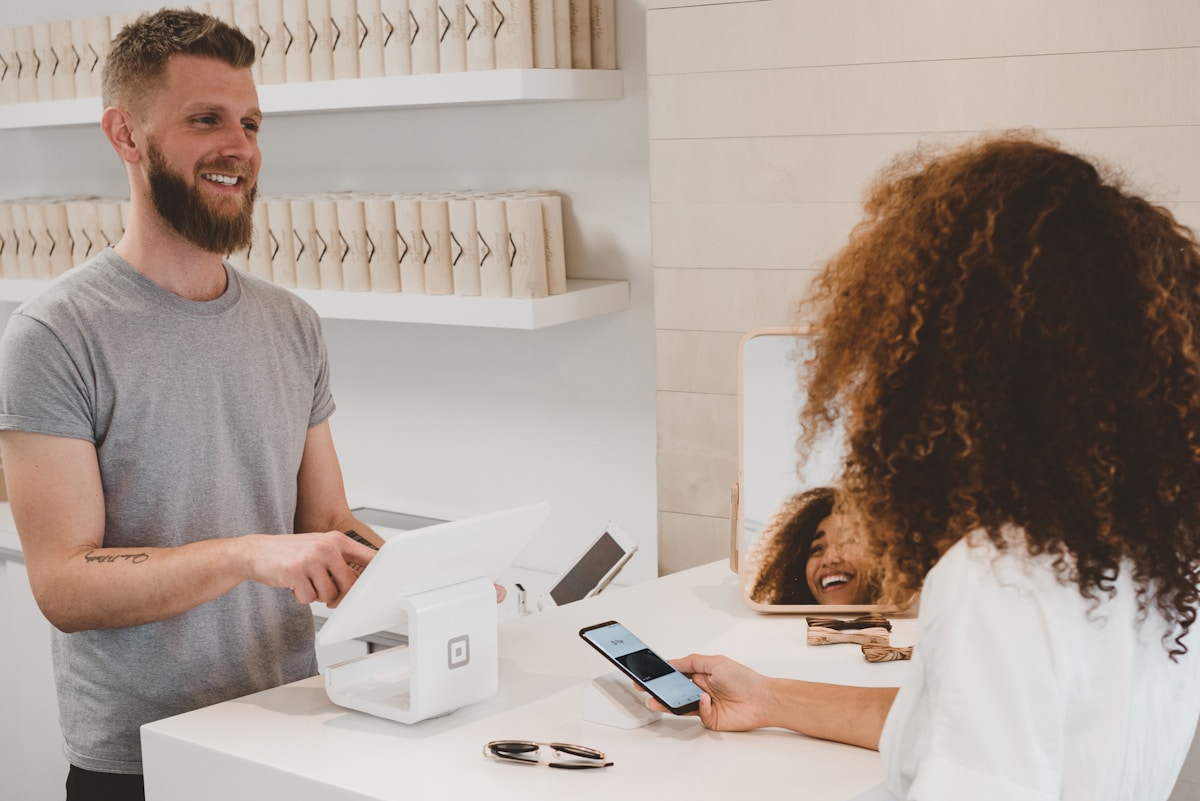
A smooth checkout paired with ecommerce email marketing recovery flows maximizes revenue.
👀 Campaign #5: Browse Abandonment Emails
Not every shopper adds to cart — many browse product pages and leave without a trace. Browse abandonment emails re-engage these window shoppers by reminding them of the specific products they viewed. While they convert at lower rates than cart recovery, the volume of browse abandoners makes this flow a quiet revenue driver in any ecommerce email marketing program.
Best practices:
- Send one email, 2–4 hours after the session: Keep it light — “Still thinking it over?” with the viewed product front and center.
- Show alternatives: Include “you may also like” recommendations to widen the net.
- No discount by default: Reserve incentives for a second touch or skip them entirely to protect margins — curiosity alone often converts.
Pro tip: This flow needs your email platform’s site tracking pixel installed — confirm it’s firing before launch.
⭐ Campaign #6: VIP & Loyalty Rewards
Your top 10–20% of customers typically generate a wildly disproportionate share of revenue. VIP and loyalty campaigns make these customers feel recognized — early access to launches, birthday rewards, tier upgrades, and points-balance reminders — and they respond with higher lifetime value and enthusiastic referrals.
High-impact VIP email ideas for ecommerce email marketing in 2026:
- Tier achievement emails: Celebrate when a customer reaches Gold/Platinum status, with the perks spelled out.
- Early access drops: Give VIPs 24–48 hour head starts on new collections or sales.
- Points expiry reminders: “You have 500 points expiring soon” creates urgency and drives repeat orders.
- Surprise & delight: Unexpected birthday gifts or anniversary-of-first-purchase notes build genuine emotional loyalty.
Pro tip: Create the VIP segment dynamically (e.g., lifetime spend over a threshold or 3+ orders) so members graduate automatically. According to Klaviyo’s ecommerce benchmarks, segmented campaigns consistently outperform generic blasts on both opens and revenue per recipient.
💲 Campaign #7: Replenishment Reminders
If you sell consumables — supplements, skincare, coffee, pet food — replenishment reminders are essentially free recurring revenue. These automated emails arrive just as the customer is likely running out, based on average product lifespan, and they convert because the timing matches genuine need. It’s one of the most underused plays in ecommerce email marketing.
How to set them up:
- Calculate the replenishment window: A 30-day supplement supply triggers a reminder at day 25; a 60-day skincare product at day 50.
- Make reordering one click: Deep-link straight to a pre-filled cart or a subscription signup.
- Offer subscribe & save: Convert the one-time reminder into recurring revenue with a 10–15% subscription discount.
Pro tip: Add a “snooze this reminder” option — respecting actual usage builds trust and keeps unsubscribes low.
📰 Campaign #8: The Weekly Newsletter
Automated flows do the heavy lifting, but a regular newsletter keeps your brand top-of-mind between purchases. The best ecommerce newsletters in 2026 aren’t product catalogs — they’re value-first content: buying guides, how-tos, customer stories, and behind-the-scenes looks that subscribers actually look forward to.
A winning newsletter formula:
- One theme per issue: “5 ways to style linen this summer” beats a random product dump.
- 80/20 value-to-promo ratio: Earn attention with useful content; the soft product mentions convert better anyway.
- Consistent cadence: Weekly or biweekly — predictability builds the open habit.
Pro tip: Repurpose your best blog content into newsletter features with a “read the full guide” CTA. This drives traffic back to your site, supports SEO, and keeps e-commerce email marketing and content marketing working as one system. For platform-specific tactics, Shopify’s email marketing guides are a solid free resource.

Planning a value-first newsletter is a cornerstone of ecommerce email marketing success.
🎉 Campaign #9: Seasonal & Flash Sale Campaigns
Black Friday, Eid sales, back-to-school, Valentine’s Day — seasonal campaigns create natural urgency that promotional emails can ride. But the real art in 2026 is the flash sale: short, 24–48 hour offers announced exclusively to your email list, which reward subscribers and train them to open everything you send.
Seasonal campaign checklist:
- Tease before you launch: A “something big is coming” email 3–5 days prior builds anticipation and primes opens.
- Segment the offer: VIPs get early access; engaged subscribers get the main announcement; the unengaged get one final reminder.
- Close the loop: A “last chance” email in the final hours typically drives 20–30% of the campaign’s total revenue.
Pro tip: Don’t discount constantly — perpetual sales train customers to never pay full price. Use seasonal ecommerce email marketing pushes 6–8 times a year for maximum impact without margin erosion.
Choosing the Right Ecommerce Email Marketing Tool (2026 Pricing)
The campaigns above work in any serious platform, but pricing and ecommerce depth vary. Here’s a quick commercial comparison of the three most popular options:
| Platform | Free Plan | Paid Starting Price | Ecommerce Strengths |
|---|---|---|---|
| Klaviyo | Up to 250 contacts | ~$20/mo (500 contacts) | Deep Shopify/WooCommerce integrations, advanced segmentation, predictive analytics |
| Omnisend | Up to 250 contacts, 500 emails/mo | ~$16/mo (500 contacts) | Ecommerce-first templates, SMS + email in one flow, generous automation on paid tiers |
| Mailchimp | Up to 500 contacts, 1,000 sends/mo | ~$13/mo (500 contacts) | Beginner-friendly, broad integrations, good for content-heavy newsletters |
For serious ecommerce email marketing automation, Klaviyo and Omnisend lead on features like dynamic product feeds and predictive sending; Mailchimp suits smaller catalogs. Either way, confirm clean integration with your store platform — see our Shopify vs WooCommerce: 9 Differences That Decide 2026 comparison.
Frequently Asked Questions
What is ecommerce email marketing?
Ecommerce email marketing is the practice of using email to drive online store revenue — through automated flows (welcome series, cart recovery, post-purchase) and broadcast campaigns (newsletters, sales announcements). It targets subscribers who opted in, making it a high-intent, owned channel with exceptional ROI compared to paid advertising.
How much does ecommerce email marketing cost?
Most platforms offer free tiers up to 250–500 contacts. Paid plans for small stores start around $13–$20/month (Mailchimp, Omnisend, Klaviyo at 500 contacts) and scale with list size. Given the ~$36–$42 return per dollar spent reported in industry benchmarks, email typically pays for itself many times over.
Which ecommerce email marketing platform is best in 2026?
Klaviyo leads for data-driven Shopify and WooCommerce stores thanks to deep integrations and predictive analytics. Omnisend is the best value for ecommerce-first automation with built-in SMS. Mailchimp suits beginners and content-heavy brands. Choose based on your store platform, list size, and how much automation you plan to run.
How often should an online store send marketing emails?
A healthy cadence is 1–2 broadcast emails per week plus your automated flows running in the background. Monitor unsubscribe and spam-complaint rates — if they climb, reduce frequency or improve segmentation rather than blasting the full list.
What is a good open rate for ecommerce emails?
Industry benchmarks put average ecommerce promotional open rates around 15–25%, while automated flows perform far better — welcome emails average ~45% and cart recovery emails ~40%+. If your rates lag, focus on list hygiene, subject-line testing, and sender authentication (SPF, DKIM, DMARC). Guidance from Campaign Monitor’s email benchmarks is a useful reference point.
Key Takeaways
- Ecommerce email marketing delivers ~$36–$42 per $1 spent — the highest ROI in digital marketing.
- Start with the big three automations: welcome series, abandoned cart recovery, and post-purchase flows — they generate revenue on autopilot.
- Layer in win-backs, browse abandonment, VIP rewards, replenishment reminders, newsletters, and seasonal campaigns to cover the full customer lifecycle.
- Pick a platform that integrates deeply with your store (Klaviyo, Omnisend, or Mailchimp) and segment every send.
- Protect deliverability with list hygiene, authentication, and value-first content — the inbox is earned, not bought.
Sources: DMA & Litmus email ROI benchmarks; Baymard Institute cart abandonment research; Klaviyo, Omnisend, and Campaign Monitor published ecommerce benchmarks (2025). Statistics cited are industry-benchmark ranges, not guarantees of individual results.