

If you want to reduce cart abandonment, you are fighting the single most expensive leak in e-commerce. The average online store loses roughly 70 out of every 100 shoppers who add products to their cart — customers who wanted to buy, and walked away. Baymard Institute’s long-running research puts the average cart abandonment rate at 69.8%, and their checkout usability studies suggest that better checkout design alone could recover more than a third of those lost orders. For a store doing $50,000 a month, that is potentially $10,000+ in recovered revenue sitting untouched.
This guide gives you 9 proven tactics to reduce cart abandonment in 2026 — covering checkout flow, pricing transparency, mobile experience, exit-intent offers, abandoned cart emails, trust signals, payment options, and retargeting. Every tactic is grounded in real shopper-behavior data, works on Shopify, WooCommerce, or any custom platform, and can be implemented without rebuilding your store. If you are serious about conversion rate optimization this year, this is the playbook.
Table of Contents
- Tactic 1: Reduce Cart Abandonment With a 1-Page Checkout
- Tactic 2: Offer Guest Checkout — No Forced Accounts
- Tactic 3: Show Total Costs Early to Stop Sticker Shock
- Tactic 4: Optimize Your Mobile Checkout Experience
- Tactic 5: Deploy Exit-Intent Popups With Real Offers
- Tactic 6: Send Abandoned Cart Email Sequences That Convert
- Tactic 7: Add Trust Signals at the Point of Doubt
- Tactic 8: Offer More Payment Options, Including Digital Wallets
- Tactic 9: Retarget Cart Abandoners With Precision Ads
- Your 30-Day Cart Abandonment Action Plan
- Reduce Cart Abandonment: Frequently Asked Questions
Key Takeaways
- The average cart abandonment rate is 69.8% — but Baymard estimates over 35% of those orders are recoverable through better checkout design.
- The #1 reason shoppers abandon is unexpected extra costs (48%) — show shipping and taxes early to reduce cart abandonment fast.
- Abandoned cart emails are the highest-ROI recovery channel: the first email should go out within 1 hour of abandonment.
- Mobile checkout is where most abandonment happens — autofill, digital wallets, and a 1-page flow matter most there.
- To truly reduce cart abandonment, fix the causes (costs, friction, trust) AND run recovery (emails, retargeting) — you need both.
Tactic 1: Reduce Cart Abandonment With a 1-Page Checkout
The fastest way to reduce cart abandonment is to shorten the distance between “I want this” and “order confirmed.” Every extra checkout step is another door your customer can walk out of. Baymard’s checkout research found that the average checkout flow contains 11.3 form fields — nearly double what shoppers will tolerate — and that long, multi-page checkouts are a top driver of abandonment.
The 2026 standard is a single-page checkout: shipping, payment, and order review all visible without page reloads, with a persistent order summary and a progress indicator even on one page (it reduces perceived effort). Collapse optional fields, use a single “full name” field instead of first/last, and never ask for information twice.
How to apply it:
- Audit your checkout and cut every non-essential field — company name, fax, “how did you hear about us” all go.
- Enable address autocomplete (Google Places API or your platform’s native tool) to shrink typing by 70%+.
- Show a sticky order summary with item thumbnails so shoppers never wonder what they are paying for.
- Test your checkout with a stopwatch: if it takes more than 2 minutes for a first-time buyer, it is too long.
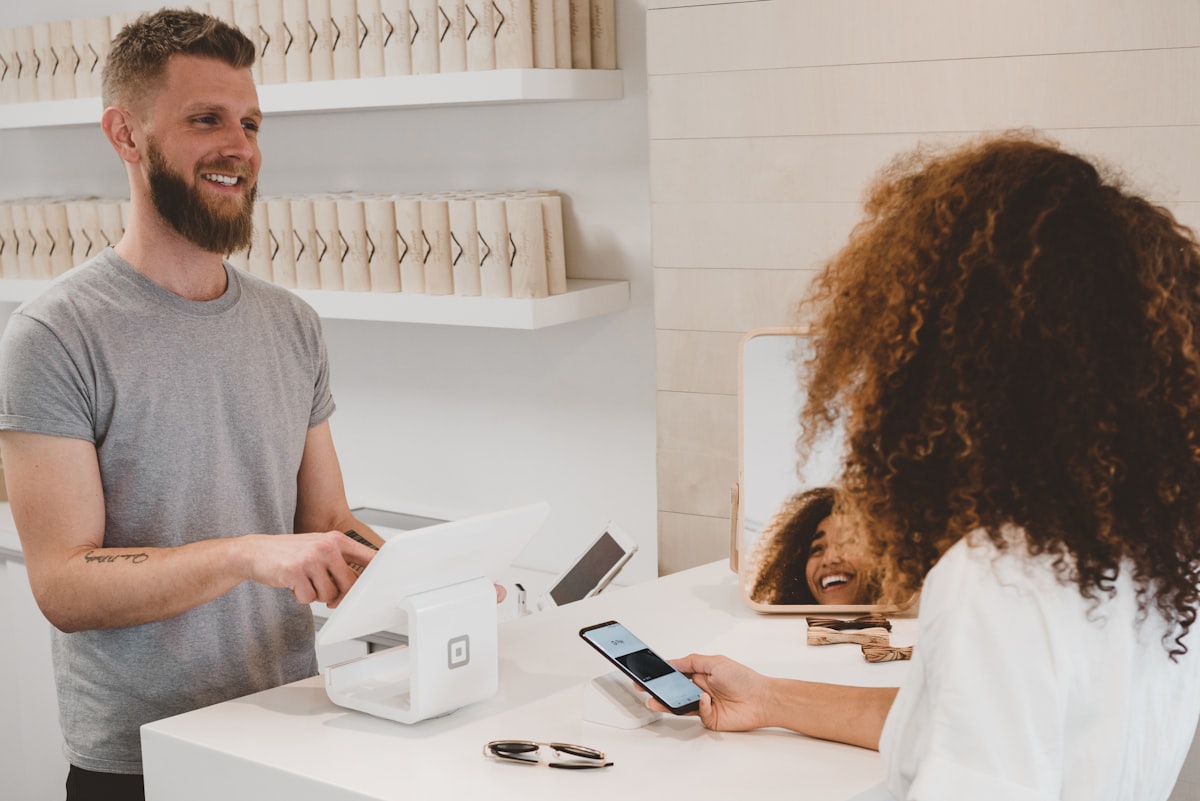
A frictionless one-page checkout is the foundation of every strategy to reduce cart abandonment.
Tactic 2: Offer Guest Checkout — No Forced Accounts
Few things kill a sale faster than a forced account creation wall. Baymard reports that 26% of US shoppers have abandoned a checkout specifically because the site wanted them to create an account. The logic is simple: a first-time buyer with a full cart does not want a relationship — they want their product.
The fix is guest checkout by default, with account creation offered after the purchase is complete (“Save your details for faster checkout next time — one click”). Post-purchase account creation converts far better because the trust transaction has already happened: they got what they wanted, so they are happy to stay.
How to apply it:
- Make “Continue as guest” the most prominent option on your checkout entry screen.
- Move account creation to the thank-you page, pre-filled with the details they just entered.
- If you run a subscription or loyalty program, sell the benefit (points, faster reorders) — not the account itself.
Tactic 3: Show Total Costs Early to Stop Sticker Shock
Unexpected costs are the #1 reason shoppers abandon — 48% in Baymard’s latest survey. The pattern is painfully common: a $49 cart becomes $70 at the final step once shipping and tax appear, and the shopper feels tricked. To reduce cart abandonment, the total price must never be a surprise.
The winning approach is radical price transparency: show estimated shipping and taxes on the product page or in the mini-cart, well before checkout. A shipping calculator on the cart page, a “free shipping over $75” progress bar, and tax estimates by ZIP code all defuse the shock before it happens.
How to apply it:
- Add a free-shipping threshold progress bar in the cart (“You’re $12 away from FREE shipping”) — it both reduces abandonment and raises average order value.
- Display “shipping calculated at checkout” is banned language — replace it with actual estimates as early as possible.
- If you must charge shipping, bake it into product prices where margins allow and advertise “free shipping” — shoppers overwhelmingly prefer it.
- Test showing all-in pricing (tax included) for regions where it is legal and expected.
Tactic 4: Optimize Your Mobile Checkout Experience
Mobile drives the majority of e-commerce traffic in 2026 — and suffers the worst abandonment rates, often above 85% on smartphones. Tiny form fields, slow pages, and fiddly payment entry turn a 2-minute desktop checkout into a 6-minute mobile ordeal. If you want to reduce cart abandonment, mobile is where the biggest wins hide.
Mobile checkout optimization starts with speed: every second of load time cuts conversions. A fast, optimized store is a prerequisite — then layer on mobile-native conveniences: numeric keyboards for card fields, camera-based card scanning, and biometric payment confirmation.
How to apply it:
- Design checkout mobile-first: big tap targets (48px+), single-column layout, no horizontal scrolling.
- Enable browser autofill and password-manager support so returning shoppers fill forms in seconds.
- Add Apple Pay, Google Pay, and Shop Pay buttons at the very top of mobile checkout — one-tap payment is the ultimate friction killer.
- Test the full flow on a mid-range Android phone on 4G, not just your flagship iPhone on Wi-Fi.

Mobile shoppers abandon the most — a wallet-first mobile checkout is how you win them back.
Tactic 5: Deploy Exit-Intent Popups With Real Offers
Exit-intent popups detect when a shopper’s cursor heads for the back button or tab close and fire one last offer before they leave. Done badly they are annoying; done well they are one of the cheapest ways to reduce cart abandonment — capturing 10–15% of abandoning visitors according to multiple CRO case studies.
The key word is real offers. “Wait! Don’t go!” with no incentive converts almost nobody. A 10% discount code, free shipping unlock, or a limited-time bundle deal gives the shopper a concrete reason to stay — and it is a proven way to reduce cart abandonment at the very last second. Even better: offer help instead of a discount (“Questions about sizing? Chat with us now”) — it saves margin and builds trust simultaneously.
How to apply it:
- Trigger exit-intent only on cart and checkout pages — site-wide popups train visitors to ignore you.
- Make the offer specific and immediate: “Get 10% off — code applied automatically” beats a vague newsletter signup.
- A/B test discount vs. free shipping vs. live chat offer — the winner varies wildly by niche and margin.
- On mobile (no cursor), use scroll-up or timed triggers on the cart page instead.
Tactic 6: Send Abandoned Cart Email Sequences That Convert
If you want to reduce cart abandonment after the fact, abandoned cart emails are the highest-ROI channel in e-commerce. Industry data (SaleCycle, Klaviyo benchmarks) consistently shows these emails achieve ~40–45% open rates — far above promotional email — because they are timely, personal, and expected. A well-built 3-email sequence typically recovers 5–11% of abandoned carts.
The classic winning sequence:
- Email 1 (1 hour after abandonment): a helpful nudge — “You left something behind” with product images and a direct cart link. No discount yet.
- Email 2 (24 hours later): add urgency or social proof — reviews of the exact products, low-stock warnings if true.
- Email 3 (48–72 hours later): the incentive — 10% off or free shipping to close the deal, with a clear expiry.
Make the cart recovery link one click — pre-loaded cart, no login required. Every extra step between the email and the checkout halves your recovery rate.
How to apply it:
- Use your platform’s native automation (Shopify Flow, Klaviyo, Mailchimp) — set the 3-email sequence once and let it run.
- Personalize with product images and names — generic “come back” emails underperform dramatically.
- Add SMS as a second channel for high-value carts — text open rates exceed 90%, but use sparingly and only with consent.
- Monitor recovery revenue per email, not just open rates — that is the metric that pays.
Tactic 7: Add Trust Signals at the Point of Doubt
Cart abandonment is often anxiety, not apathy. At the moment of payment, shoppers ask: Is this site legitimate? Will my card details be safe? Can I return this? Baymard found 18% of abandoners left because they didn’t trust the site with their credit card information. Trust signals placed exactly where doubt spikes will reduce cart abandonment without touching your funnel.
The highest-impact trust elements for 2026 checkout pages: security badges (SSL, PCI compliance) near the payment form, money-back guarantee statements beside the buy button, real customer reviews with photos, and clear return policy links — “Free 30-day returns” should be visible without clicking.
How to apply it:
- Put guarantee + secure-checkout badges directly under the payment button, not buried in the footer.
- Show live social proof on product and cart pages: review counts, “2,400+ happy customers,” recent purchase notifications.
- Display real contact options (phone, live chat, physical address) — anonymous-feeling stores convert worse.
- Add “no spam, unsubscribe anytime” microcopy under email fields to ease data-sharing anxiety.
Tactic 8: Offer More Payment Options, Including Digital Wallets
Limited payment options cause roughly 9% of abandonments (Baymard) — and the number skews higher with younger shoppers who may not even carry a physical card. In 2026, “we accept Visa and Mastercard” is the bare minimum. Shoppers expect digital wallets, buy-now-pay-later (BNPL), and local payment methods.
The data is compelling: express wallets like Apple Pay, Google Pay, Shop Pay, and PayPal can lift checkout conversion by 10% or more on mobile because they skip form-filling entirely. BNPL options (Klarna, Afterpay, Tabby in MENA) expand your addressable market to shoppers who budget in installments — particularly for carts over $100.
How to apply it:
- Enable at least one express wallet (Apple Pay / Google Pay / PayPal) plus standard cards.
- Add a BNPL option if your average order value exceeds $75 — “4 interest-free payments” messaging lifts conversion measurably.
- Match local payment methods to your markets (e.g., cash on delivery or bank transfer where expected).
- Show payment logos early (product page, cart) — they double as trust signals.
Visible, trusted payment options reassure shoppers at the exact moment they decide to pay.
Tactic 9: Retarget Cart Abandoners With Precision Ads
Not every abandoner gives you their email — but most leave a cookie and a pixel trail. Retargeting ads let you follow up with the anonymous majority: dynamic product ads showing the exact items they abandoned, served across Meta, Google, and TikTok within hours of the visit. These are consistently among the highest-ROAS campaigns in paid social because the audience is pre-qualified and high-intent.
The 2026 playbook: segment by cart value and recency. High-value carts get a 3-day sequence with escalating creative (reminder → social proof → limited offer). Low-value carts get a single reminder creative. Cap frequency at 3–5 impressions per day — stalking shoppers breeds resentment, not revenue.
How to apply it:
- Set up dynamic product retargeting (Meta Advantage+ catalog ads, Google Performance Max) with your product feed synced.
- Build a 3/7/14-day recency ladder: hot, warm, and cold abandoner audiences with different bids and creative.
- Exclude recent purchasers to avoid wasting spend and annoying new customers.
- Test offer vs. no-offer creative — margin-sensitive stores often win with social proof alone.
Your 30-Day Plan to Reduce Cart Abandonment
Tactics only work when shipped. Here is a prioritized 30-day rollout that sequences these 9 tactics by effort-to-impact:
- Week 1 — Quick wins: enable guest checkout, add trust badges and guarantee copy, show shipping estimates early, turn on express wallets. These take hours and attack the biggest abandonment causes.
- Week 2 — Recovery systems: build the 3-email abandoned cart sequence, launch exit-intent popups on cart/checkout, set up dynamic retargeting audiences.
- Week 3 — Experience upgrades: compress checkout to one page, cut form fields, optimize mobile flow, add BNPL.
- Week 4 — Measure and iterate: benchmark your abandonment rate, A/B test offer types, and review recovery revenue weekly going forward.
Track three numbers: checkout abandonment rate (started checkout vs. completed), email recovery rate, and recovered revenue per month. Stores that treat the effort to reduce cart abandonment as a permanent system — not a one-time project — compound these gains quarter after quarter. For broader conversion inspiration, see our 2026 web design trends that boost conversions.
Frequently Asked Questions: Reduce Cart Abandonment
What is a good cart abandonment rate in 2026?
The global average is around 70%, so anything under 65% is above average and under 55% is excellent. But the benchmark that matters is your own trendline — a store that moves from 75% to 60% abandonment has effectively grown revenue by double digits without new traffic.
What is the single biggest reason for cart abandonment?
Unexpected extra costs — shipping, taxes, and fees revealed late in checkout — cited by 48% of abandoners in Baymard’s research. Showing total costs early is the single highest-impact fix to reduce cart abandonment.
Do abandoned cart emails really work?
Yes — they are the highest-ROI recovery tactic in e-commerce, with ~40–45% open rates and typical recovery of 5–11% of abandoned carts. The first email should send within one hour of abandonment, when purchase intent is still warm.
How can small stores reduce cart abandonment without expensive tools?
Small stores can reduce cart abandonment without expensive tools by starting with the free wins: enable guest checkout, display shipping costs early, add trust badges, and use your platform’s built-in abandoned cart emails (Shopify and WooCommerce both include basic versions free). These four changes alone typically recover meaningful revenue before you spend a dollar on tools.
Should I offer discounts to recover abandoned carts?
Not immediately. Send the first recovery email without a discount — many shoppers return on reminder alone, which is the cheapest way to reduce cart abandonment. Reserve discounts for the second or third touch, and test whether free shipping outperforms percentage discounts for your margins.
Sources and further reading: Baymard Institute — cart abandonment rate statistics; Shopify — abandoned cart email benchmarks; Stripe — payment optimization guides. Stats cited reflect the most recent published editions of each source at the time of writing.