
Table of Contents
- Key Takeaways
- Why SEO Trends 2026 Matter More Than Ever
- 1. AI Search Answers Are the New Front Page
- 2. Experience and Originality Beat Generic Content
- 3. Video and Visual Search Keep Rising
- 4. Technical Health Is a Ranking Prerequisite
- 5. Local and Hyperlocal Intent Wins Customers
- 6. Brand Signals and Authority Matter More
- 7. Search Intent, Not Just Keywords, Drives Strategy
- 8. Measurement Moves Beyond Rankings Alone
- 9. Your 90-Day SEO Trends 2026 Action Plan
- Frequently Asked Questions
Key Takeaways
- SEO trends 2026 reward helpful, original, fast and genuinely useful pages — not pages stuffed with keywords.
- AI-generated answers, video results and local packs are taking clicks that used to go to plain blue links, so content must earn attention in more places.
- The winners will pair strong technical foundations with real expertise, clear intent matching and consistent publishing.
- This guide turns the biggest SEO trends 2026 into a practical 90-day plan you can start this week.
Why SEO Trends 2026 Matter More Than Ever 📈
SEO trends 2026 are not a gentle evolution of last year’s playbook. Search results now blend AI summaries, videos, images, local listings and product carousels, so a page ranking tenth in the classic sense may still be invisible — while rising ad costs make organic visibility more valuable than ever.
That shift changes what “good SEO” means: search engines want pages that solve the problem completely, load quickly, demonstrate real experience and feel trustworthy. If your content does that, you can still win against much larger competitors.
The majority of clicks still go to the top few results, while zero-click searches keep growing for simple questions. The response is to target questions where a visit is still valuable and diversify into video, local and brand search, so one algorithm change cannot wipe out your traffic.
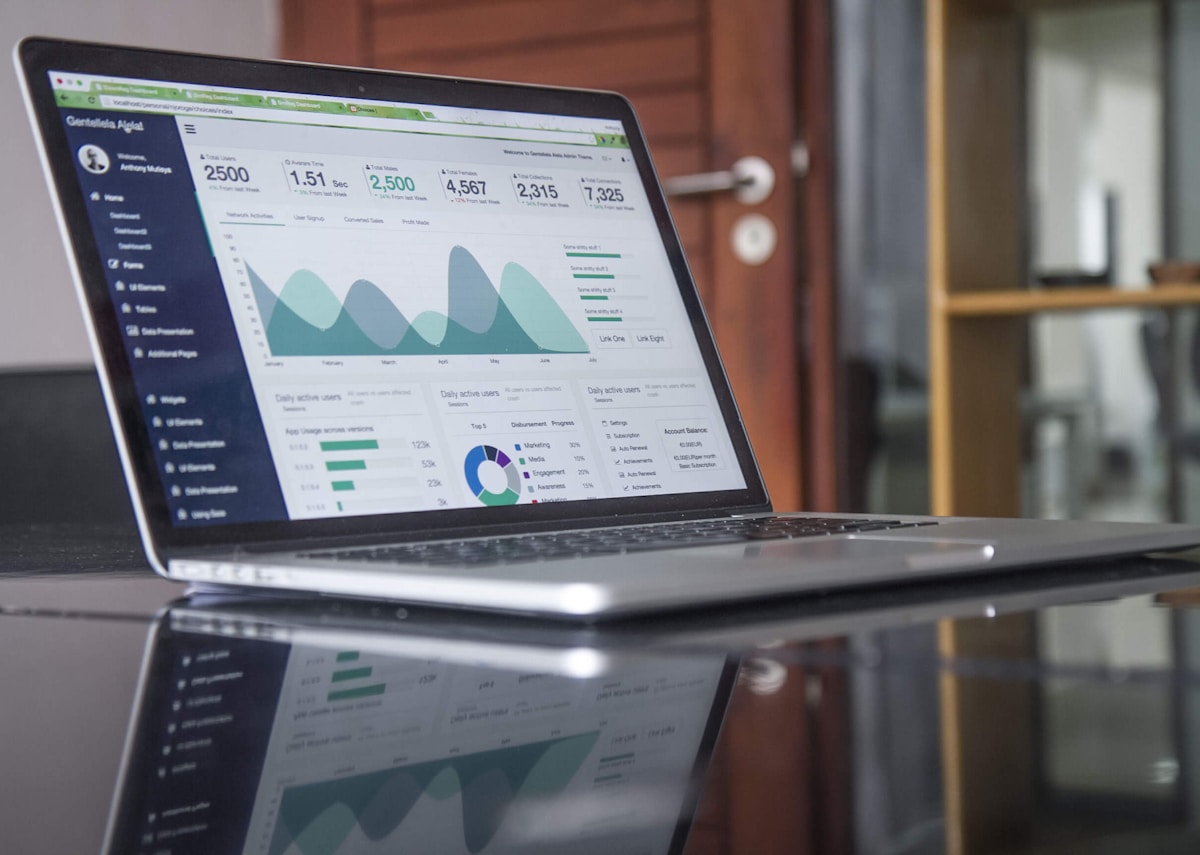
Caption: Analytics dashboard tracking search growth.
This guide breaks down nine shifts and finishes with a focused action plan to help you decide where to invest your limited time.
1. AI Search Answers Are the New Front Page 🤖
The biggest of all SEO trends 2026 is AI-powered answers inside search results. A question may now return a synthesized answer drawn from several sources, with links behind it — so your content can be cited even without the top classic result, or skipped entirely if it adds nothing new.
To adapt, write content that AI systems can understand and trust:
- Answer the question directly in the first paragraph, then expand with detail, examples and evidence.
- Use clear structure: descriptive headings, short paragraphs, lists and tables that make facts easy to extract.
- Cover the topic completely: definitions, steps, comparisons, costs, mistakes and frequently asked questions in one place.
- Show your sources: cite reputable data and link to authoritative references, because cited content earns citations.
This is closely related to generative engine optimization strategies: specific, structured, helpful pages are the ones AI answers quote. Vague, recycled content is not.
After drafting, ask whether a reader could act on your page without opening another tab. If not, add the missing steps or examples before you publish.
Marketers who want to use AI tools well will benefit from step-by-step AI tutorials explaining how today’s AI tools work in everyday workflows. AI speeds up research and drafting; human experience and insight still separate ranking content from forgettable content.
2. Experience and Originality Beat Generic Content ✍️
As AI-generated text floods the web, one of the clearest SEO trends 2026 is a premium on originality: first-hand experience, real screenshots, original data and expert quotes that no generic article can copy.
Here is how to make originality practical rather than aspirational:
- Add one original element per article: a small survey, a before-and-after case study, a pricing comparison you compiled yourself, or screenshots from your own work.
- Write from experience: describe what you tried, what failed, and what you would do differently. Readers trust specifics.
- Quote real people: a short expert comment or customer insight adds credibility that a rewritten paragraph never will.
- Update, don’t just publish: revisit top pages quarterly with fresh data, new screenshots and corrected advice.
Originality also protects you commercially: a guide with a worked example or template gets bookmarked and linked, while ten identical generic articles get forgotten. One deeply useful guide per week will outperform five shallow posts in almost every niche.
3. Video and Visual Search Keep Rising 🎬
Another defining entry among SEO trends 2026 is video and visual results: short videos and tutorials now appear directly in search results, and many younger users begin product research on video platforms first.
You do not need a studio to benefit. A simple, useful video version of your best article — with captions, a clear title and chapters — can capture traffic your text alone would miss. Practical steps include:
- Repurpose top posts: turn each high-traffic guide into a 2–3 minute explainer video.
- Optimize titles and descriptions: use the same question your article answers, and add timestamps.
- Add captions and transcripts: they make videos accessible and searchable.
- Use strong visuals in articles: original images, diagrams and infographics earn image-search traffic and keep readers engaged.
Visual search matters too. Users increasingly search with images — a product photo, a screenshot, a room design — so descriptive file names, alt text and high-quality original images are no longer optional extras. Every image in this guide carries descriptive alt text for exactly that reason, and your site should do the same.
Caption: Planning video and content strategy.
Under SEO trends 2026, if your competitors only publish text, a modest video effort is one of the fastest ways to stand out.
4. Technical Health Is a Ranking Prerequisite ⚙️
Content gets the attention, but technical health decides whether it can rank at all. Slow pages, broken links, duplicate content and crawl errors silently cap even excellent articles.
Run this technical checklist at least quarterly:
- Speed: optimize images, reduce heavy scripts and aim for fast loading on mobile connections, not just on office Wi-Fi.
- Mobile experience: test real pages on a phone; check tap targets, font sizes and layout shifts.
- Indexation: make sure important pages are crawlable and indexed, and that thin or duplicate pages are not competing with them.
- Structured data: add relevant schema markup for articles, FAQs, products and local businesses so search engines understand your pages.
- Internal linking: link related guides together so readers and crawlers can move naturally through your site.
Our technical SEO audit checklist walks through these checks in detail. Treat technical work as regular maintenance: small fixes here often produce the fastest ranking improvements, because you are removing barriers rather than chasing new tactics.
Finally, keep your site secure and updated, and fix 404 errors promptly.
5. Local and Hyperlocal Intent Wins Customers 📍
For service businesses, clinics, restaurants and stores, local search remains one of the highest-converting SEO trends 2026. “Near me” queries carry immediate buying intent: the searcher is choosing, not browsing.
Focus on these local fundamentals:
- Complete business profiles: accurate name, address, phone, hours, categories and photos on every major platform.
- Reviews: ask happy customers for reviews and reply to all of them, including critical ones, professionally.
- Local pages: create genuinely useful pages for each area you serve, with local examples, directions and service details — not duplicated pages with only the city name changed.
- Local content: answer neighborhood-level questions, cover local events and publish guides tied to your area.
A business that dominates its local pack can out-earn a nationally ranked competitor in its own city, because local searchers convert at far higher rates.
6. Brand Signals and Authority Matter More 🏆
As search results get noisier, another key entry among SEO trends 2026 is brand and authority: recognized names get clicked, revisited and linked, and search engines notice those patterns.
Building authority is slower than any quick tactic, but it compounds:
- Publish consistently in one niche before expanding. Depth beats breadth for new sites.
- Earn links by being useful: original research, free tools, templates and definitive guides attract links naturally.
- Be present where your audience is: guest insights, podcasts, videos and social content all create branded searches.
- Protect your reputation: respond to feedback, correct errors transparently and keep promises your content makes.
For agencies, this shift is good news: clients choose visible, trusted brands over anonymous providers. Your content strategy is also a brand strategy — rankings follow reputation, not the other way around.
7. Search Intent, Not Just Keywords, Drives Strategy 🎯
Keyword research is still essential, but a practical shift among SEO trends 2026 is intent mapping: two queries can share a keyword yet need completely different pages — a definition, a comparison, or a purchase page. One generic page serves none of them well.
Map your content to four intent types:
- Informational: guides, definitions and how-to content that teach.
- Commercial investigation: comparisons, reviews and “best” lists that help a buyer choose.
- Transactional: product, pricing and booking pages built to convert.
- Navigational: brand and location pages that help people find you.
Before writing, search the query yourself and study the current results: what formats dominate, what questions appear in “People also ask,” and what is missing? Then build the page that fills the gap. Tools help here — our roundup of AI SEO tools covers options for research, clustering and content briefs — but the judgment call about intent is human work, and it is where strong strategists earn their fees.
Intent mapping also prevents wasted effort: if a query is dominated by video results, publish video; if by tools, build or embed one.
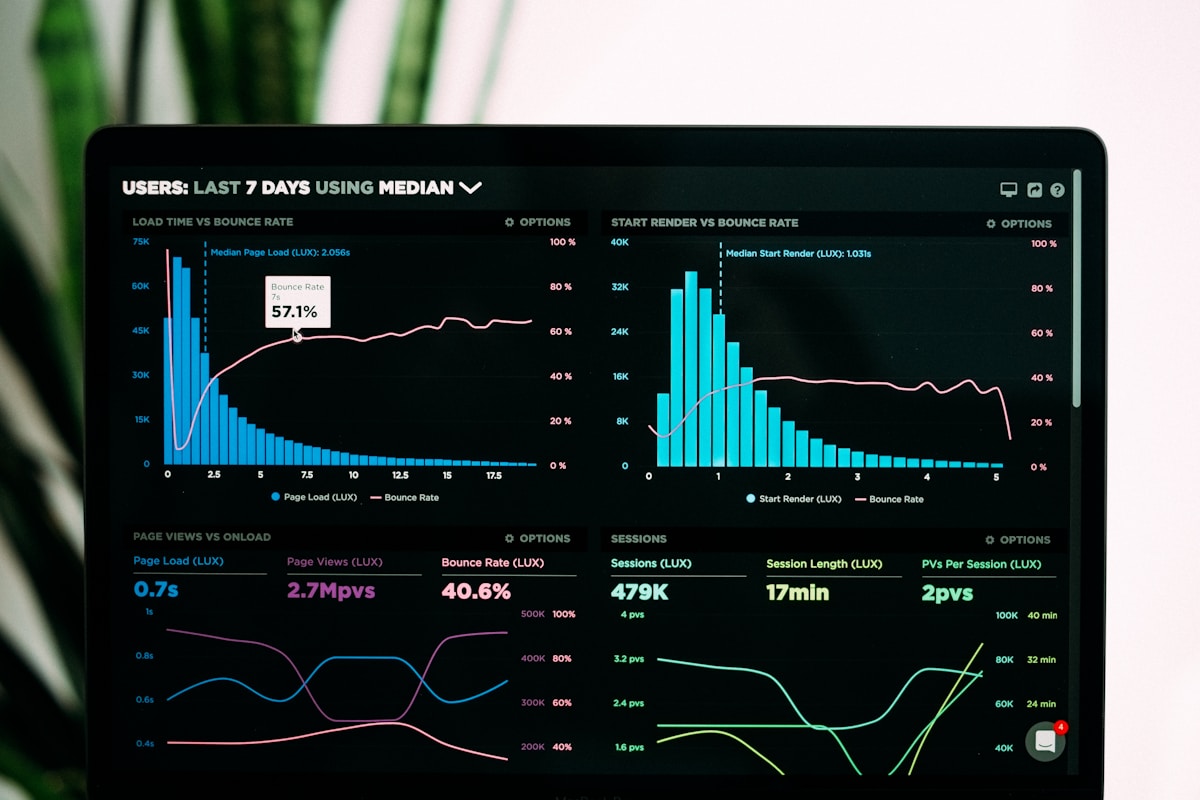
Caption: Intent and performance data.
8. Measurement Moves Beyond Rankings Alone 📊
Because AI answers change what a “ranking” means, measurement is evolving too. Teams that only track ten keyword positions will miss the bigger picture; teams that track business outcomes will make better decisions.
Build a dashboard around these metrics:
- Organic conversions and revenue, not just traffic, segmented by landing page and intent.
- Visibility across formats: classic rankings, AI citations, video appearances, local pack presence and image results.
- Engagement: time on page, scroll depth, return visits and assisted conversions.
- Content efficiency: which guides earn links, which decay, and which deserve updates.
Set a monthly review habit: which pages gained, which slipped, and what changed on those pages or in the results around them? Small, regular adjustments beat annual overhauls, and they keep your strategy aligned with fast-moving SEO trends 2026 instead of last year’s assumptions.
Be honest about attribution: SEO interacts with social, email and advertising, so credit it for demand it creates without claiming every sale it merely touched.
9. Your 90-Day SEO Trends 2026 Action Plan ✅
Trends only matter if they change what you do on Monday morning. Use this plan to turn SEO trends 2026 into action, one month at a time — and revisit it as SEO trends 2026 keep evolving.
Days 1–30: Fix the Foundation
- Run a technical audit and fix speed, mobile and indexation issues first.
- Identify your top 20 pages and update the weakest five with original examples and fresh data.
- Map your top 50 queries to intent, and note where format or content is mismatched.
- Set up conversion tracking so SEO trends 2026 wins are measurable in revenue, not just rankings.
Days 31–60: Build the Content Engine
- Publish two intent-matched guides per week, each with one original element and a direct answer up front.
- Create a short video version of each top guide, with captions and timestamps.
- Strengthen internal linking between related guides and your key service or product pages.
- Start a review and local-profile routine for SEO trends 2026 if you serve a local market.
Days 61–90: Earn Authority and Compound
- Publish one link-worthy asset: original research, a template, a calculator or a definitive comparison.
- Refresh your oldest high-traffic pages with 2026 data, new screenshots and expanded FAQs.
- Review your dashboard, double down on what converted, and stop what only produced vanity traffic.
- Plan the next quarter around the intents and formats that actually produced customers.
Follow that cycle and you will build an asset that gets stronger each quarter, whatever the next update brings.
Frequently Asked Questions
What are the most important SEO trends 2026?
The most important SEO trends 2026 are AI-powered search answers, a premium on original experience-based content, video and visual search growth, stricter technical requirements, stronger local intent, and measurement that focuses on conversions rather than rankings alone.
Is traditional SEO dead in 2026?
No. Helpful content, fast pages, good structure and quality links still matter — but results now include AI answers, videos and local packs, so content must be structured and original enough to appear in more places.
How often should I update old content for SEO trends 2026?
Review top pages at least quarterly, and update any page whose data or advice has gone stale. Fast-moving topics such as AI tools may need monthly refreshes.
Do small businesses benefit from SEO trends 2026?
Yes, especially through local search, video and original expertise — specific, experience-based content can outrank big generic sites on local and niche queries.
How long does it take to see results from these SEO trends?
Technical fixes can help within weeks; new content typically needs two to six months to reach full ranking potential.
Should I use AI to write SEO content in 2026?
AI helps with research, outlining and drafting, but published content must be reviewed and enriched with human experience. Purely AI-generated generic content rarely earns lasting rankings.
Sources note: This guide synthesizes Google Search Central documentation, Search Engine Journal and Moz research on AI search and ranking factors, and Digital 365 Agency’s publishing experience. Treat originality, speed, intent matching and conversion-focused measurement as the durable takeaways.