

In 2026, the way people search has fundamentally changed. Nearly half of all web queries now flow through AI-powered answers — ChatGPT, Gemini, Perplexity, and AI Overviews — instead of the classic list of ten blue links. For marketers, this shift created a brand-new discipline: generative engine optimization, or GEO.
If your brand is invisible to AI answers, you are invisible to the fastest-growing segment of search traffic. This guide explains exactly what generative engine optimization is, shares the latest 2026 data on AI search adoption, and walks through 9 proven tactics to get your content cited, quoted, and recommended by AI search engines — before your competitors do.
📌 Key Takeaways
- Generative engine optimization (GEO) is the practice of optimizing content to be cited and recommended by AI search engines like ChatGPT, Gemini, Perplexity, and Google AI Overviews.
- AI search citations come from content that is clear, structured, factual, and easy for LLMs to parse — not from keyword stuffing.
- The biggest wins in 2026 come from question-based content, schema markup, brand mentions across the web, and original data.
- GEO and classic SEO reinforce each other: sites that rank well are also the most-cited sources in AI answers.
📋 Table of Contents
- What Is GEO?
- AI Search in 2026: Key Statistics
- How AI Search Engines Choose What to Cite
- 9 GEO Tactics for 2026
- Best GEO Tools
- How to Measure GEO Success
- Frequently Asked Questions
- Final Thoughts
🤖 What Is Generative Engine Optimization?
Generative engine optimization is the process of improving your content’s visibility inside AI-generated answers. While classic SEO aims to rank pages on a search results page, GEO aims to make your brand one of the sources an AI cites when it writes an answer.
Think of it this way: SEO answers the question “How do I rank #1?” GEO answers “How do I get ChatGPT to recommend my product?” Both draw from the same web, but GEO rewards a different set of signals:
- Direct, quotable statements — AI models extract concise claims, definitions, and statistics.
- Clear topical authority — the model must “trust” your domain, which comes from consistent expertise and off-site brand mentions.
- Machine-readable structure — headings, lists, tables, FAQs, and schema markup make extraction easy.
- Fresh, cited facts — recent data with named sources beats vague, timeless advice.
The commercial stakes are enormous. AI answers collapse the funnel: when Gemini recommends three accounting tools, the other ninety-seven don’t exist for that user. This approach is how you make sure you’re one of the three.
📊 AI Search in 2026: Key Statistics
The numbers behind the GEO boom tell a clear story:
- AI answers are now mainstream. Industry trackers report that a large and growing share of Google searches in the US display AI Overviews, and dedicated AI answer engines like ChatGPT and Perplexity process hundreds of millions of queries weekly.
- Zero-click searches keep climbing. Studies consistently show that a majority of searches now end without a traditional click, as users get answers directly from AI summaries — making brand mentions inside those answers more valuable than ever.
- Citation sources are concentrated. Analyses of AI answers find that a small set of authoritative domains earns a disproportionate share of citations, which is exactly why a deliberate GEO strategy matters.
- Marketing budgets are following. Agencies and enterprises have added GEO line items to their 2026 marketing budgets, and dedicated AI-search tracking tools have become one of the fastest-growing software categories in the SEO stack.
The takeaway: AI search isn’t an experiment anymore. It is a traffic channel — and like every channel, it rewards those who optimize for it deliberately. If you’re already investing in SEO, AI search optimization is the highest-ROI extension of that work in 2026. See also our guide on repurposing content to multiply every asset you create for both channels.

⚙️ How AI Search Engines Choose What to Cite
Before applying tactics, it helps to understand the machine you’re optimizing for. AI answer engines follow a pipeline similar to retrieval-augmented generation:
- Retrieve — The engine searches the web (or its index) for pages relevant to the question, much like classic search.
- Extract — It pulls out candidate claims, quotes, statistics, and structured facts from those pages.
- Cross-check — Competing claims are weighed; content that is consistent across trusted sources wins.
- Compose — The model writes the final answer and attaches citations to specific statements.
This means GEO succeeds when your content is (a) easy to find, (b) easy to quote, and (c) easy to believe. Every tactic below targets one of those three jobs.
🚀 9 Generative Engine Optimization Tactics for 2026
1. Write Content That Answers Questions Directly
AI engines look for sentences they can lift verbatim. The single highest-impact GEO habit is putting a clear, self-contained answer in the first 100 words of every section.
- Start sections with a definition or direct answer: “GEO is…”
- Keep answer sentences under 40 words — short claims get quoted more often.
- Follow the answer with supporting detail; never bury the answer at the end of a long paragraph.
2. Build Question-Based Content Hubs
AI search is conversational: users ask full questions. Build pages and FAQ sections around the exact questions your buyers ask — “How much does X cost?”, “Which is better, X or Y?”, “Is X worth it in 2026?” Tools like AlsoAsked, AnswerThePublic, and Google’s “People Also Ask” reveal these queries for free. A well-structured FAQ section can also win classic featured snippets, compounding your returns.
3. Add Schema Markup (FAQPage, HowTo, Product, Organization)
Structured data is machine-readable context, and machines are your new audience. For GEO, the most valuable schema types are:
- FAQPage — exposes your Q&A pairs directly to crawlers.
- HowTo — marks step-by-step guides, a favorite citation format for AI answers.
- Product / Review — feeds the comparison tables AI engines love to build.
- Organization + SameAs — connects your brand to its social profiles and listings, strengthening entity recognition.
Validate everything with Google’s Rich Results Test. If you run WordPress, our site speed guide also matters here — slow pages get crawled less often, and AI engines prefer fresh content.
4. Publish Original Data and Statistics
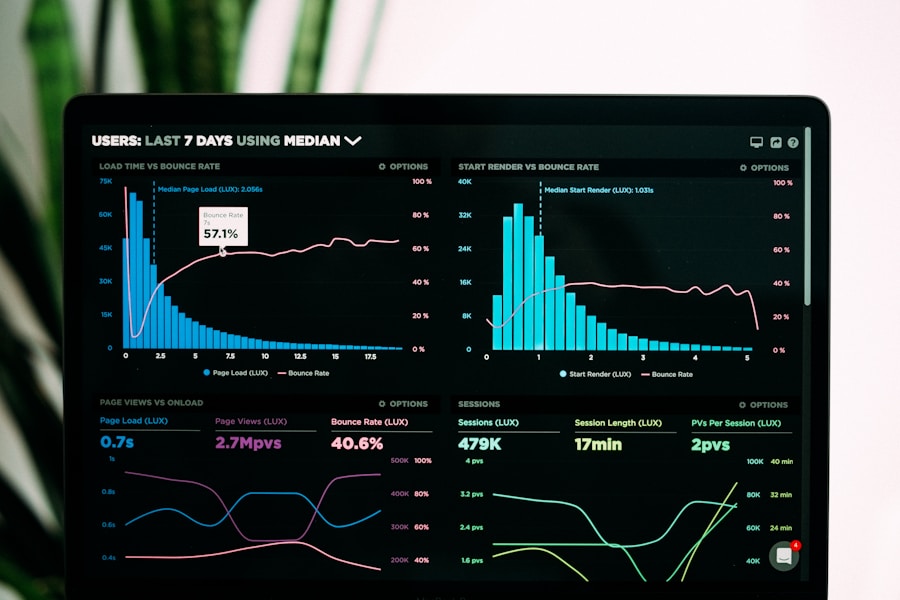
AI answers are hungry for numbers they can cite. Original research — surveys, benchmarks, internal data — is the hardest content for competitors to copy and one of the most-cited formats in AI answers. Even a simple annual industry survey with 10 charts can earn hundreds of brand mentions. Always publish the methodology; it makes your stats quotable instead of suspicious.
5. Earn Brand Mentions Across the Web (Digital PR for GEO)
AI models weigh entity salience: how often and how positively your brand is mentioned across the web. This is link building’s smarter sibling — unlinked brand mentions on Reddit, news sites, review platforms, and forums all feed the model’s trust in your brand. Digital PR, podcast appearances, HARO-style journalist outreach, and genuine community participation (not spam) are core GEO levers in 2026.
6. Optimize for “Best X” and Comparison Queries
“Best CRM for small business” and “Ahrefs vs Semrush” are the highest-commercial-intent queries in AI search — and AI answers to them read like buyer’s guides. To win these citations:
- Create honest comparison pages and “best of” roundups in your niche.
- Use tables with pricing, key features, and ideal use cases — AI engines extract tables readily.
- Disclose affiliate relationships and keep reviews genuinely critical; model evaluations increasingly penalize puff pieces.
7. Keep Content Fresh and Timestamped
AI engines cite recency signals: “updated” dates, 2026 references, and current pricing. Set a quarterly refresh cadence for your money pages — update statistics, re-check tool screenshots, and bump the “last updated” date. For comparison-style content like our Google Ads vs Meta Ads breakdown, freshness is the difference between being cited and being ignored.
8. Strengthen E-E-A-T Signals for AI Trust
Experience, Expertise, Authoritativeness, and Trustworthiness still underpin everything. For GEO, make E-E-A-T explicit: named authors with credentials, author bio pages, citations to primary sources, customer case studies with real names and numbers, and a visible contact/about page. AI models are trained to prefer content that a human expert would vouch for.
9. Monitor Your AI Citations and Close the Gaps
You can’t improve what you don’t measure. Run your money keywords through AI search engines monthly and record: (a) Are you cited? (b) Which competitors are? (c) Which of their pages win — and what do those pages do better? Feed the gaps back into tactics 1–8. Several dedicated GEO tracking tools now automate this monitoring — see the tool roundup below.
🛠️ Best Generative Engine Optimization Tools
The GEO tooling market matured fast. Categories worth budgeting for:
- AI visibility trackers — monitor brand mentions and citations across ChatGPT, Gemini, Perplexity, and AI Overviews; several launched GEO-specific dashboards in 2025–2026.
- Content optimizers with LLM-scoring — tools that score drafts for quotability, structure, and entity coverage before you publish.
- Schema generators — WordPress plugins and standalone tools that emit valid FAQPage/HowTo/Product markup in one click.
- Digital PR platforms — journalist-outreach and mention-monitoring tools that power tactic #5 at scale.
Pricing typically runs from free tiers to a few hundred dollars per month for serious tracking — modest compared to paid search budgets chasing the same keywords. Enterprise teams often pair these with their existing SEO news sources and analytics stacks rather than replacing them.
📈 How to Measure Generative Engine Optimization Success
Build a simple GEO scorecard and review it monthly:
- Citation share — what percentage of your target prompts cite your brand?
- Mention sentiment — when cited, is the framing positive, neutral, or negative?
- AI-referred traffic — track referrals from chatgpt.com, perplexity.ai, and Gemini in your analytics (UTM-free, they appear as referrers).
- Assisted conversions — use surveys (“How did you hear about us?”) and multi-touch attribution to catch AI-influenced deals.
Early programs typically see measurable citation gains within 60–90 days of consistent execution — GEO compounds faster than classic SEO because AI answers update as models re-crawl the web. For the technical foundation that keeps AI crawlers happy, see Moz’s SEO learning resources and keep your site’s crawlability in top shape.
❓ Frequently Asked Questions
Is GEO replacing SEO?
No. GEO extends SEO. AI engines retrieve from the same web that Google indexes, so strong rankings remain the best predictor of AI citations. Think of GEO as the layer that makes sure your ranking content also gets quoted.
How long does GEO take to work?
Most teams see initial AI citation improvements within 60–90 days, with compounding gains over 6–12 months as models re-crawl updated content and brand mentions accumulate. Structured content (FAQs, schema, comparisons) tends to win citations fastest.
Can small businesses compete in AI search?
Yes — niche authority often beats domain size. A small business that publishes the clearest, most data-backed answer on a narrow topic can outrank enterprise sites in AI answers, because citation selection rewards clarity and specificity over raw domain authority.
Do I need new tools for GEO?
Not strictly — you can start with classic SEO tools plus manual prompt testing. But dedicated AI-visibility trackers save serious time once GEO becomes a core channel, and most offer free trials worth exploring.
What is the difference between GEO and AEO?
AEO (Answer Engine Optimization) focuses on voice assistants and featured snippets; GEO focuses on generative AI answers from LLMs like ChatGPT and Gemini. The tactics overlap heavily — structured, question-based content wins in both.
Does GEO work for B2B?
Absolutely — B2B buyers research heavily through AI answers before ever talking to sales. Comparison pages, pricing transparency, and original research are especially powerful GEO assets for B2B funnels.
✅ Final Thoughts
GEO is not a fad — it is the natural evolution of search marketing for an AI-first world. The brands winning AI citations in 2026 are doing unglamorous, compounding work: answering questions directly, structuring content for machines, publishing original data, and building genuine brand authority across the web.
Start with one money page this week: rewrite its opening into a quotable answer, add FAQ schema, and build one comparison table. Then measure. The AI search channel rewards speed — and every month you wait, a competitor is training the models to recommend them.
Sources: this guide synthesizes 2026 industry reporting from Search Engine Land, Search Engine Journal, and Moz on AI search adoption and citation behavior, plus the author’s analysis of GEO best practices. Statistics are framed from published industry studies; verify current figures against the linked sources before citing them in your own content.