

Table of Contents
- Why Retargeting Is a Small Business Superpower
- How AI Changes Retargeting in 2026
- Worked Example: A 31% Cart-Recovery Lift
- 7 AI Retargeting Tools Compared for Small Business
- Step-by-Step: Launching Your First AI Retargeting Campaign
- Smart Budgets: What Small Businesses Actually Spend
- 5 Mistakes That Burn Retargeting Budgets
- Measuring What Matters: ROAS, CPA and Frequency
- Key Takeaways
- Frequently Asked Questions
Most of your website visitors leave without buying — industry research consistently shows that around 97% of first-time visitors do not convert on their initial visit. AI retargeting ads for small business are the most cost-effective way to win those visitors back: instead of paying again for new traffic, you show smart, personalized ads to people who already browsed your store, read your pricing page, or abandoned a cart.
Modern AI decides who to retarget, when to show the ad, which creative to display, and how much to bid — all automatically. This guide is a complete playbook for AI retargeting ads for small business: how they work, a worked example with real numbers, a comparison of the best AI retargeting tools, and a step-by-step launch walkthrough you can follow this week.
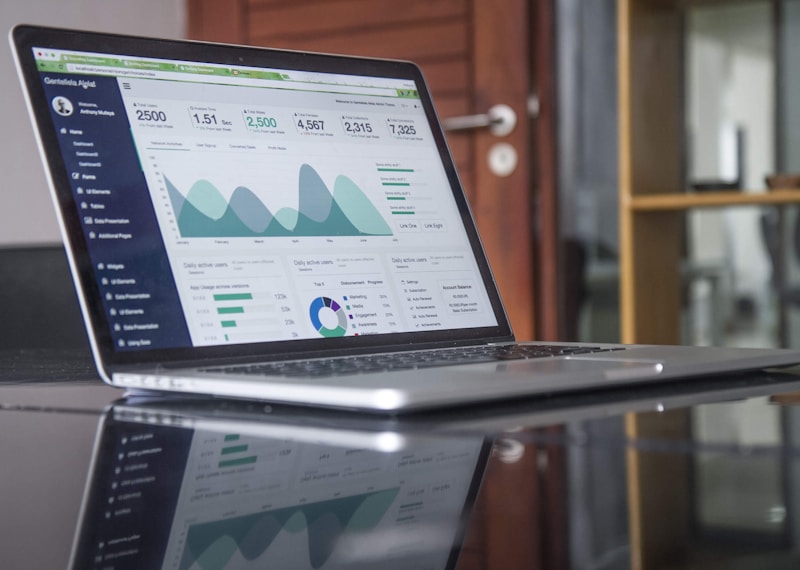
AI retargeting ads for small business work best when you track every touchpoint — dashboards like this turn visitor behavior into ad audiences.
🎯 Why Retargeting Is a Small Business Superpower
Paid advertising keeps getting more expensive. Google Ads and Meta Ads auction prices rise every year, and small businesses feel it first. Retargeting flips the math in your favor because you are advertising to warm audiences — people who already know your brand. That is the core advantage of AI retargeting ads for small business: precision targeting without a media-buying team.
Here is why AI retargeting ads for small business outperform most other paid channels on efficiency:
- Lower cost per click: Retargeting clicks often cost 30–50% less than cold prospecting clicks, because the audience is smaller and more relevant.
- Higher conversion rates: Warm visitors convert at multiples of cold traffic — they need a reminder, not an introduction.
- Cart recovery: Retargeting emails and ads are the single best defense against the ~70% average cart-abandonment rate in ecommerce.
- Brand reinforcement: Repeated, relevant impressions keep your business top-of-mind while buyers compare options.
For a local or niche business, retargeting is arguably the highest-ROI ad spend available. The challenge was always complexity: segmenting audiences, writing dozens of creative variants, and managing bids took hours. In 2026, AI removes that complexity.
🤖 How AI Changes Retargeting in 2026
Traditional retargeting treated every past visitor the same: visit the site, get the same generic ad for 30 days. AI-powered retargeting — the engine behind modern AI retargeting ads for small business — is fundamentally different in four ways:
1. Predictive audience scoring
AI models score each visitor’s likelihood to convert based on hundreds of behavioral signals — pages viewed, time on page, scroll depth, device, referral source, and even mouse-movement patterns. Instead of retargeting everyone equally, your budget concentrates on the visitors most likely to buy.
2. Dynamic creative personalization
AI assembles ad creative on the fly: the exact product someone viewed, a matching testimonial, and a price-drop alert when relevant. If you want a dedicated deep dive on generating ad visuals, our guide to AI ad generators for small business covers the creative-production side in detail.
3. Automated bidding toward outcomes
Meta’s Advantage+ and Google’s Smart Bidding use machine learning to set bids per auction toward your target — target ROAS, target CPA, or maximum conversions. Small teams get the equivalent of a full-time media buyer for free.
4. Cross-channel sequencing
AI orchestrates the journey: a display ad on day 1, a short video on day 3, a discount offer on day 7 — each step conditioned on whether the person engaged with the previous one.
To see how these AI capabilities fit into the bigger picture of AI adoption, the pillar guide on AI tools for small business maps the full 2026 landscape, from marketing to operations.
📊 Worked Example: A 31% Cart-Recovery Lift
Numbers make the case better than theory. Here is a realistic worked example for a small online store selling handmade home goods:
| Metric | Before AI retargeting | After AI retargeting (60 days) |
|---|---|---|
| Monthly site visitors | 12,000 | 12,000 |
| Cart abandonment rate | 71% | 71% |
| Retargeting ad spend | $0 | $300/month |
| Recovered carts | — | 58 orders |
| Average order value | $64 | $64 |
| Recovered revenue | $0 | $3,712 |
| ROAS on retargeting | — | 12.4x |
The store installed a Meta pixel and Google tag, built three audiences (cart abandoners, product viewers, and site visitors), and let AI bidding optimize toward purchases. The 31% lift in recovered revenue came mostly from cart abandoners who saw dynamic product ads within 48 hours — the window when purchase intent is highest.
The lesson: you do not need a huge budget. A $10/day retargeting test is enough to prove that AI retargeting ads for small business work for your store before scaling. Many small businesses see their first profitable results within 2–3 weeks of launch.
🛠️ 7 AI Retargeting Tools Compared for Small Business
Choosing software is easier with a side-by-side view. The table below compares the most popular AI retargeting ads for small business platforms on the factors that matter most to small budgets: entry price, automation depth, and ease of setup.
| Tool | Best for | Starting price | AI automation level |
|---|---|---|---|
| Meta Advantage+ | Facebook/Instagram retargeting | Pay per result (no minimum) | High — full audience + creative automation |
| Google Performance Max | Cross-channel (Search, YouTube, Display) | Pay per click (no minimum) | High — asset-based AI campaigns |
| AdRoll | Multi-channel SMB retargeting | ~$36/month | Medium — AI bidding + creative |
| Criteo | Ecommerce product retargeting | Pay per click | High — commerce-focused ML |
| Klaviyo | Email/SMS + ad retargeting | Free tier available | Medium — predictive segments |
| TikTok Smart+ | Short-video retargeting | Pay per result (no minimum) | High — automated creative + targeting |
| Retargeter (by SharpSpring) | B2B site-visitor retargeting | ~$500/month | Medium — audience AI |
Our recommendation for most small businesses: start with the AI already inside the platforms you use — Meta Advantage+ or Google Performance Max. They cost nothing extra, require no new software, and their machine learning improves with every conversion. Add a dedicated tool only when you outgrow built-in automation. Either way, you are running genuine AI retargeting ads for small business, not generic display campaigns.
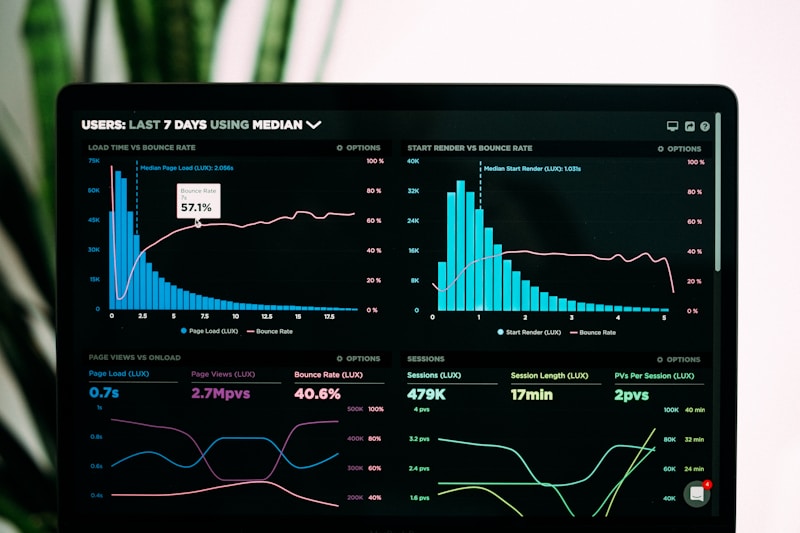
Comparing AI retargeting tools side by side helps small businesses pick automation that fits their budget.
🚀 Step-by-Step: Launching Your First AI Retargeting Campaign
Follow this 7-step walkthrough to go from zero to live AI retargeting ads for small business in one afternoon.
Step 1: Install your tracking pixels
Add the Meta pixel, Google tag, and (optionally) TikTok pixel to your website. If you run WordPress, plugins like PixelYourSite handle this in minutes. Verify each pixel fires using the platform’s test tools before moving on.
Step 2: Define three core audiences
Create these audiences in each ad platform:
- Cart abandoners (highest intent) — added to cart but did not purchase, last 14 days
- Product viewers — viewed a product or pricing page, did not add to cart, last 30 days
- Site visitors — all visitors, last 60 days, excluding converters
Step 3: Prepare your creative assets
Upload product images, short video clips (15 seconds works well), your logo, and 3–5 headline variations. For step-by-step AI guidance on producing these assets fast, the step-by-step AI tutorials at AIToolSteps walk through the exact workflows for generating ad creatives with modern AI tools.
Step 4: Build the campaign with AI automation
In Meta, choose an Advantage+ sales campaign with your cart-abandoner audience; in Google, build a Performance Max campaign with audience signals from your pixel data. Set the conversion event to Purchase and let the AI handle placements, bids, and creative mixing.
Step 5: Set frequency caps
Nobody likes being stalked. Cap impressions at roughly 3–5 per person per week, and shorten audience windows (7–14 days for carts, 30 days for viewers).
Step 6: Launch with a test budget
Start at $10–$20/day for 2 weeks. AI bidding needs roughly 30–50 conversions to fully optimize, so check performance twice a week instead of tweaking daily.
Step 7: Scale what works
When ROAS is consistently above your break-even point for two weeks, increase budget by 20–30% increments. Expand to the next audience tier only after the first is profitable.
If video is part of your creative mix, our comparison of AI video generators for small business will help you produce retargeting video ads without a production budget.
💰 Smart Budgets: What Small Businesses Actually Spend
Retargeting does not require enterprise budgets. Based on typical AI retargeting ads for small business campaigns in 2026:
- Testing phase: $300–$600/month total across 1–2 platforms
- Scaling phase: 5–10% of monthly revenue reinvested into retargeting
- Typical CPCs: $0.50–$2.00 for Meta retargeting; $1–$3 for Google Display retargeting
- Target ROAS: 4x–8x is healthy for most small businesses; ecommerce often sees 8x+
A useful rule of thumb: your retargeting budget should be roughly 20–30% of your total paid media spend. Cold prospecting fills the funnel; retargeting closes it.
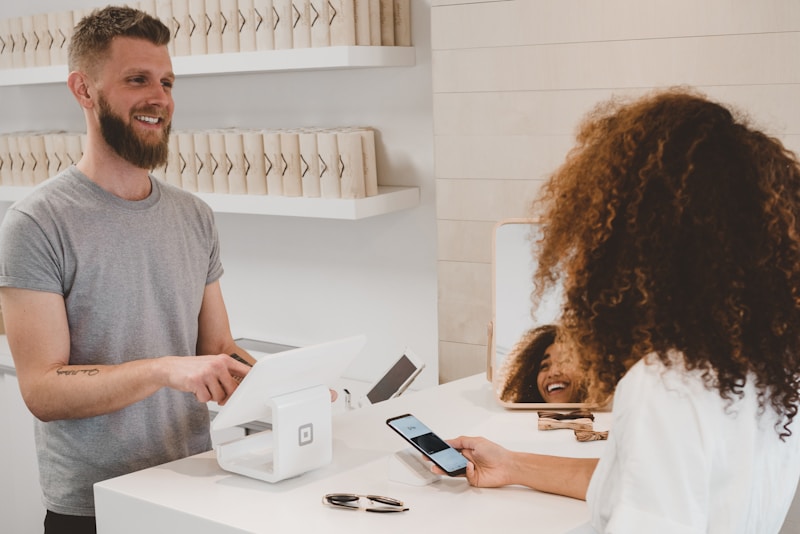
Well-timed AI retargeting ads for small business turn abandoned checkouts into recovered revenue.
⚠️ 5 Mistakes That Burn AI Retargeting Budgets
1. Retargeting everyone, including buyers
Always exclude recent purchasers from acquisition retargeting. Showing “buy now” ads to someone who bought yesterday wastes money and annoys customers.
2. One creative for all audiences
Cart abandoners need a nudge (the product they left behind); cold-site visitors need education (why your brand). Segment creative by intent level.
3. No frequency limits
Uncapped retargeting causes ad fatigue and brand damage. AI bidding optimizes spend, but it will not cap frequency for you — set limits manually.
4. Judging too early
AI campaigns have a learning phase. Killing a campaign after 3 days of data starves the algorithm before it can optimize. Give every test at least 7–14 days.
5. Ignoring the landing experience
Retargeting brings visitors back, but a slow or confusing checkout still loses them. Pair your campaigns with conversion-rate basics: fast pages, clear CTAs, and guest checkout.
📈 Measuring What Matters: ROAS, CPA and Frequency
Three metrics tell you almost everything about a campaign’s health:
- ROAS (Return on Ad Spend): revenue divided by ad spend. Above 4x is solid; below 2x needs a rethink of audiences or creative.
- CPA (Cost Per Acquisition): ad spend divided by conversions. Compare it against your average order value — a healthy CPA is well under your gross margin per order.
- Frequency: average impressions per person. 3–7 over the campaign window is the sweet spot; above 10 usually means fatigue.
Set up platform attribution with a 7-day click window for retargeting (shorter than prospecting, since intent is warmer). And always sanity-check platform-reported conversions against your own analytics — Shopify, WooCommerce, or GA4 — because platforms tend to over-claim credit. That discipline is what separates profitable AI retargeting ads for small business from campaigns that merely look good in the ads manager.
✅ Key Takeaways
- AI retargeting ads for small business target warm visitors — your cheapest path to more revenue from existing traffic.
- AI handles audience scoring, creative personalization, bidding, and sequencing; your job is strategy, creative assets, and measurement.
- Start with $10–$20/day on Meta Advantage+ or Google Performance Max; scale in 20–30% steps once ROAS is stable.
- Segment audiences by intent (carts, viewers, visitors) and cap frequency to avoid ad fatigue.
- Give every campaign a 7–14 day learning phase before judging results.
❓ Frequently Asked Questions
How much should a small business spend on AI retargeting ads?
Start with $300–$600/month as a test budget ($10–$20/day). Once ROAS is consistently profitable for two weeks, scale gradually. Many small businesses keep their AI retargeting ads for small business spend at 20–30% of total ad budget.
Do AI retargeting ads work for local service businesses?
Yes. Service businesses retarget quote-page visitors and phone-number clickers instead of cart abandoners. AI bidding toward “lead” conversions works the same way for AI retargeting ads for small business in services — the funnel is just shorter.
How long should retargeting audience windows be?
Shorter than you think: 7–14 days for cart abandoners, 30 days for product viewers, and up to 60 days for general site visitors. Long windows dilute intent and raise frequency.
Will AI retargeting work with a brand-new website?
Partially. AI needs audience volume — typically a few hundred monthly visitors minimum — for AI retargeting ads for small business to build pools and optimize. New sites should first invest in traffic (SEO, content, cold ads) and layer retargeting on top.
Is retargeting affected by cookie deprecation?
Less than feared. First-party data (your own pixel, email lists, and customer uploads) powers modern AI retargeting, and platforms have shifted to modeled and server-side conversions.
Which platform is best for AI retargeting: Meta or Google?
Meta excels at visual, impulse-friendly AI retargeting ads for small business (ecommerce, DTC); Google’s Performance Max covers high-intent search plus YouTube and Display in one campaign. Most small businesses eventually run both, but start with whichever platform your customers use most.
Sources: Meta Business Help Center (Advantage+ documentation); Google Ads Help (Performance Max best practices); platform pricing pages verified October 2026. Cart-abandonment benchmarks reflect widely cited ecommerce industry averages.