
Ad copywriting strategy is the difference between an ad people scroll past and an ad people click, remember and buy from. In 2026, the words in your ad are often the only thing separating a profitable campaign from a money pit. A strong ad copywriting strategy does not rely on cleverness alone; it matches the searcher’s intent, makes one clear promise, and tells the reader exactly what to do next.
In this guide, you will learn a complete ad copywriting strategy for 2026: nine proven formulas that convert, platform-specific tactics for Google, Meta and TikTok, a testing framework that improves click-through rate (CTR) week after week, and the mistakes that quietly drain ad budgets. Whether you run ads for your own business or for clients, this guide will help you write faster, test smarter and convert more.
Table of Contents
- What Is Ad Copywriting Strategy?
- Why Ad Copywriting Strategy Matters in 2026
- The 9 Ad Copywriting Strategy Formulas That Convert
- Ad Copywriting Strategy for Google Ads
- Ad Copywriting Strategy for Meta and TikTok Ads
- Testing Your Ad Copywriting Strategy Like a Pro
- 7 Ad Copywriting Strategy Mistakes That Kill CTR
- Ad Copywriting Strategy Checklist for Every Campaign
- Frequently Asked Questions
Key Takeaways
- A winning ad copywriting strategy matches intent first, then sells the outcome — not the product features.
- One ad, one promise, one call to action: ads that try to say everything usually convert nothing.
- Headlines carry roughly 80% of the work — test them before you test anything else.
- The best approach is a system: formula, draft, test, learn, repeat — not a one-off burst of inspiration.
1. What Is Ad Copywriting Strategy? ✍️
An ad copywriting strategy is a repeatable plan for writing paid-ad text that turns impressions into clicks and clicks into customers. It covers who you are talking to, what pain point you lead with, which benefit you promise, how you prove it, and what action you ask for.
Great targeting cannot save weak copy, and great copy cannot save irrelevant targeting — which is why strong advertisers treat copy as a core performance lever, not an afterthought.
A complete copy plan also defines your voice, your claims policy (never promise what you cannot prove), your offer hierarchy, and your testing roadmap. When these are written down, a whole team can produce consistent ads.
2. Why Ad Copywriting Strategy Matters in 2026 📈
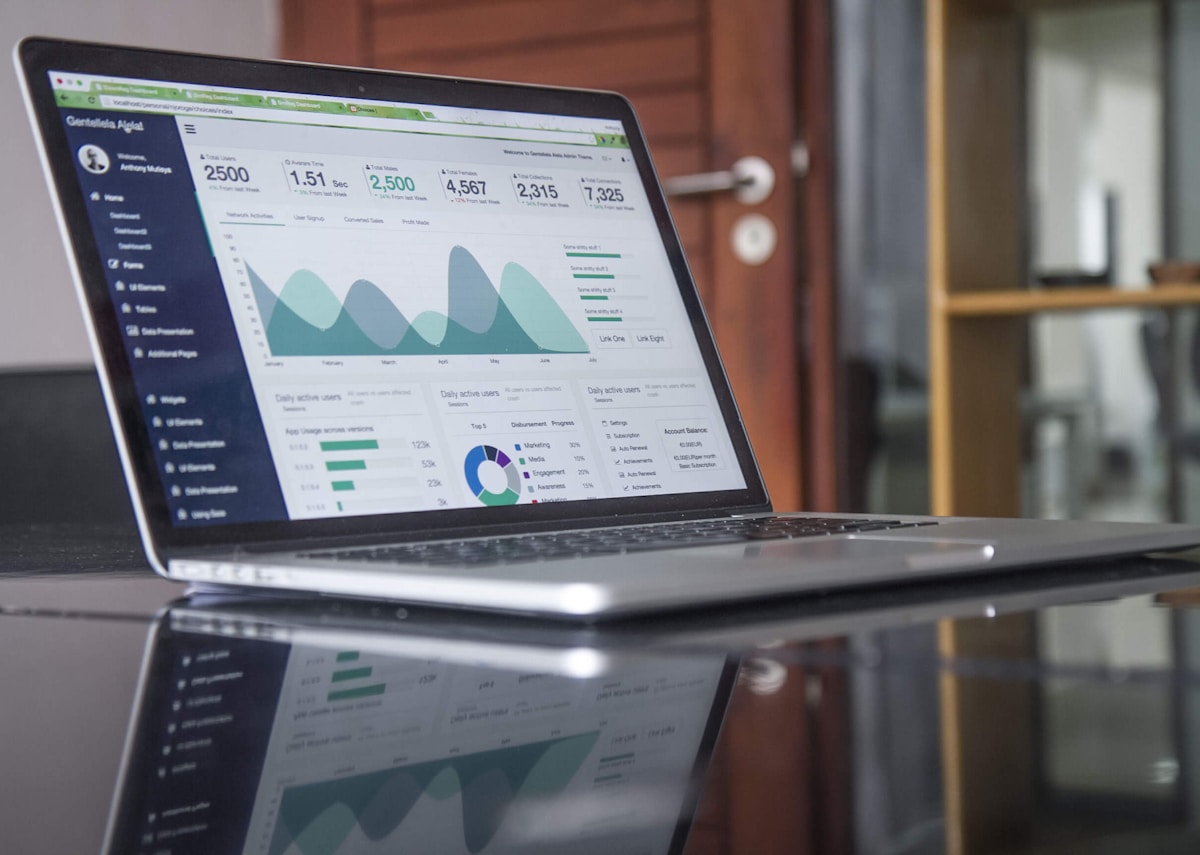
Three shifts make ad copywriting strategy more important in 2026 than ever before. First, automation now handles much of the bidding and placement, so the creative — especially the copy — is where humans still add the most edge. Google’s responsive search ads and Meta’s Advantage+ campaigns test combinations for you, but they can only test the headlines and descriptions you give them.
Second, ad costs keep rising. Industry benchmarks regularly show average Google Ads search CTR around 3–5% for competitive niches, with top performers doubling that through better copy and tighter intent matching. In other words, better ad copy is often cheaper than a bigger budget.
Third, audiences are more sceptical. Years of exaggerated claims have trained people to ignore hype. The approach that wins in 2026 is specific, honest and useful: real numbers, real outcomes, real proof, and a clear next step.
Finally, AI writing tools have made generic copy free and instant, which means generic copy no longer stands out at all. Your copy must add what AI alone cannot: customer research, sharp positioning, and a distinctive point of view. If you want to sharpen your AI-assisted workflow, the step-by-step AI tutorials at AI Tool Steps are a useful companion for learning AI tools that support — not replace — good copywriting judgement.
3. The 9 Ad Copywriting Strategy Formulas That Convert 🏆
Formulas are not a substitute for thinking, but they are a fast starting point for any copy plan.
1. Problem–Agitate–Solve (PAS). Name the pain, sharpen it, then offer relief. Example: “Tired of ad spend that never converts? Every wasted click eats your margin. Our audit finds the leaks in 48 hours.” PAS works brilliantly for search ads, where the user already feels the problem.
2. Before–After–Bridge (BAB). Paint the “before” life, the “after” life, then position your product as the bridge. Example: “From 20 tabs of manual reporting to one dashboard your clients actually read.”
3. Feature–Benefit–Outcome. Translate every feature into a benefit, then into a life outcome. “Automated bidding” becomes “ads that adjust while you sleep” becomes “weekends back.” Disciplined copywriting always pushes past features to outcomes.
4. The Specific Number. Numbers stop the scroll because they promise something concrete. “9 headline tests that lifted CTR by 41%” beats “Headline tests that improve CTR.” Use real numbers from your own results — never invent them.
5. Objection Crusher. Lead with the reason people hesitate, then remove it. “No contracts. No setup fees. Cancel anytime.” This formula is powerful for high-ticket offers and free trials, where risk — not desire — is the real barrier.
6. Social Proof Stack. Combine a result, a number and a name: “Trusted by 4,000+ Shopify stores. Rated 4.8/5.”
7. The Curiosity Gap. Open a loop the reader can only close by clicking: “The 3-word headline change behind our best campaign of 2026.”
8. Direct Offer. When intent is high, skip the story: “50% off annual plans — ends Friday.” Your copy plan should keep a direct-offer variant in every ad group.
9. Story in One Line. A micro-story creates emotion fast: “She launched her first ad on Monday. By Friday, her waitlist was full.”
Whichever formula you pick, keep one rule: one ad, one idea. For deeper campaign structure, pair these formulas with our guides on Google Ads bidding strategies and Meta Ads creative testing.
4. Ad Copywriting Strategy for Google Ads 🔍
Google search ads reward relevance above all. Your search copy should mirror the query: if someone searches “best CRM for small business,” your headline should say “Best CRM for Small Business” — not “Grow Faster Today.” Match the keyword theme in at least one headline, include the core benefit in another, and use the third for proof or an offer.
Responsive search ads give you up to 15 headlines and 4 descriptions, so write across distinct angles — benefit, feature, proof, offer, urgency, question — and let the system find the winner. Pin a headline only when brand or legal rules demand it, and use sitelinks, callouts and structured snippets to add context and screen space.
Finally, never send search traffic to a generic homepage. The promise in your ad copy must continue on the landing page, word for word. If the ad says “Free 14-day trial,” the landing page headline should say the same. Message match is one of the highest-leverage fixes in paid search, and it costs nothing.
5. Ad Copywriting Strategy for Meta and TikTok Ads 📱
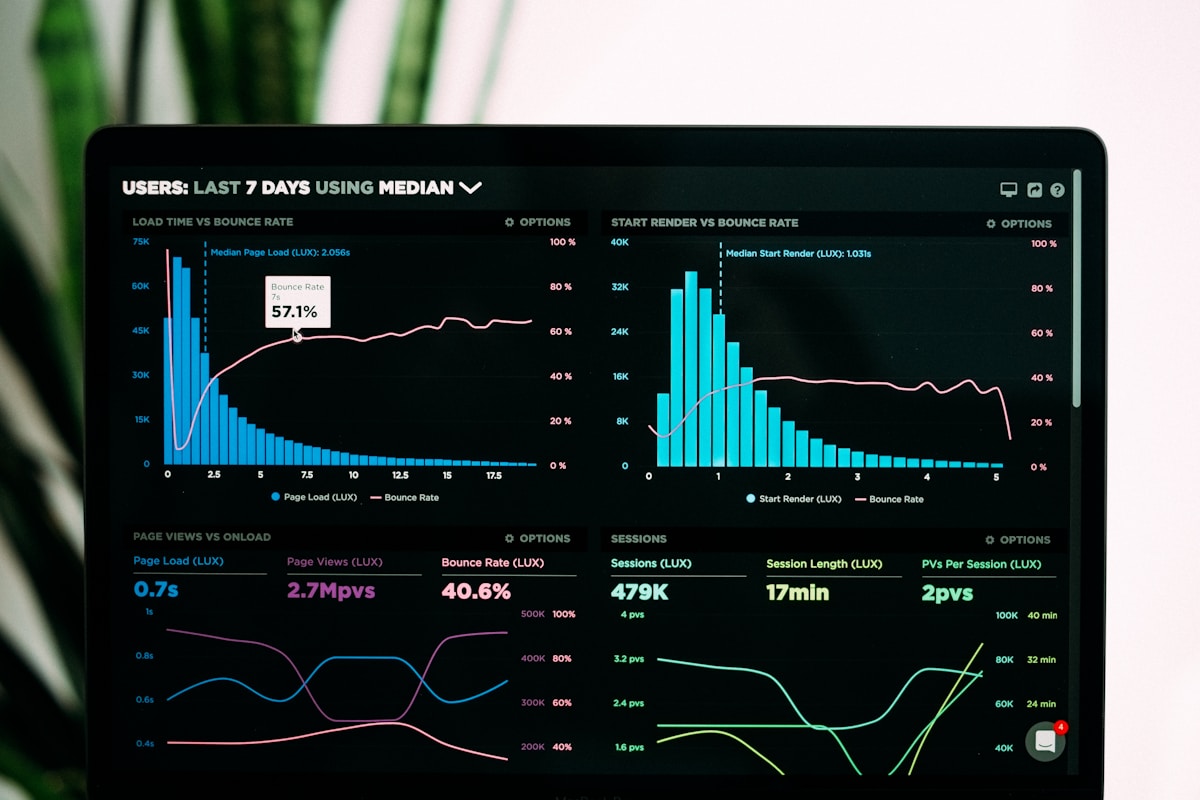
Social ads interrupt; search ads answer. That single difference should reshape your social copy for Meta and TikTok. On social, the first line of primary text is your real headline — most users never expand it. Lead with the outcome or the pattern interrupt, and put the offer and call to action early, not buried at the end.
Short, punchy copy wins on TikTok, where the video does most of the selling and the caption reinforces it. On Meta, slightly longer story-style primary text can work for considered purchases, but the first 125 characters still do the heavy lifting.
Creative and copy must work as one unit: if the video shows a transformation, the copy should name it. A strong social copy plan also covers the comment section: pin a helpful comment, answer questions fast, and treat engaged commenters as warm retargeting audiences — our retargeting ads strategy guide shows how to turn that engagement into conversions.
6. Testing Your Ad Copywriting Strategy Like a Pro 🧪
Testing is where average ad copy becomes great. Follow a simple discipline: test one variable at a time, give each test enough volume to mean something, and write down what you learned before moving on. Testing headlines first, then hooks, then offers, then calls to action gives you the biggest wins in the right order.
A practical weekly rhythm: launch 3–4 new headline variants per ad group, keep the winner, retire the loser, and log the insight in one sentence. Never change headline, image and offer at once — you will never know what caused the result.
Use platform guidance as a baseline: Google Ads Help explains how responsive search ad combinations are assembled, and WordStream’s blog offers benchmarks to judge your CTR.
7. 7 Ad Copywriting Strategy Mistakes That Kill CTR ⚠️
1. Leading with your company name instead of the customer’s outcome. Nobody searches for a solution because they care about your brand story — yet.
2. Stuffing every benefit into one ad. Pick the strongest benefit for that audience segment and save the rest for the landing page.
3. Vague claims with no proof. “Best,” “leading” and “revolutionary” mean nothing without a number, a name or a result.
4. A weak or missing call to action. Every ad needs one clear verb: Start, Try, Book, Get, Download. “Learn more” is the weakest default — use it only when nothing stronger fits.
5. Ignoring the landing page. The best copy in the world fails if the page contradicts the ad’s promise within three seconds.
6. Writing for everyone. An ad that tries to appeal to beginners and experts simultaneously appeals to neither.
7. Never refreshing winners. Even great ads fatigue — refresh headlines quarterly and rotate proof points before performance decays.
8. Ad Copywriting Strategy Checklist for Every Campaign ✅
Before you launch, run every ad through this checklist — it is the operational heart of a reliable copy process:
- Intent match: Does the headline mirror what this audience searched for or cares about?
- One promise: Can a stranger state your offer in one sentence after reading the ad once?
- Proof: Is there a number, testimonial or guarantee backing the claim?
- One CTA: Is there exactly one clear next step?
- Message match: Does the landing page repeat the ad’s promise?
- Compliance: Is every claim provable, and are restricted terms avoided?
- Variants ready: Are at least 3 headline angles live so the platform can test?
Build this checklist into your campaign template. Consistency is what turns occasional wins into compounding performance.

Frequently Asked Questions ❓
What is ad copywriting strategy in simple terms?
An ad copywriting strategy is your repeatable plan for writing paid ads: who you target, what pain you lead with, what benefit you promise, what proof you show, and what action you ask for. It turns ad writing from guesswork into a testable system.
How long should ad copy be in 2026?
As long as it needs to be — and no longer. Search headlines are capped by the platform, but social primary text should front-load the key message in the first 125 characters.
How many headlines should I test in a Google responsive search ad?
Fill all 15 headline slots with distinct angles — benefit, feature, proof, offer, urgency and questions — and let the system test combinations. Keep at least 3–4 genuinely different ideas, not minor word swaps of the same headline.
Does ad copy really affect Quality Score and CPC?
Yes. Higher CTR from relevant, well-written copy improves expected CTR, a core Quality Score component. Better Quality Scores typically mean lower CPCs and better ad positions for the same bid.
Should I use AI to write my ad copy?
Use AI for drafts, variations and brainstorming — then edit with customer research and real proof. A copy process that publishes raw AI output usually sounds generic, because every competitor has the same tool. Your edge is your insight.
How often should I refresh ad copy?
Review performance weekly and refresh headlines at least quarterly, or sooner when CTR drops 20% or more from its peak. Evergreen winners can run longer, but rotating proof points and offers prevents ad fatigue.
Final Verdict: Build Your Ad Copywriting Strategy This Week
The advertisers winning in 2026 are not necessarily spending more — they are writing better. Start with one audience, one promise and one formula from this guide. Write three headline variants, launch them, and log what you learn. Repeat that loop for a month: clearer ads, cheaper clicks and more customers from the same budget.
Need help turning this framework into campaigns that convert? Digital 365 Agency builds data-driven advertising and content systems for growing businesses — talk to our team about your next campaign.
Sources: Google Ads Help documentation on responsive search ads and ad quality; WordStream advertising benchmarks and copywriting research; Digital 365 Agency campaign experience across Google, Meta and TikTok accounts in 2026. All statistics cited are directional benchmarks — always validate against your own account data.