

Voice search SEO is no longer a futuristic experiment — it is how millions of people find businesses, answers, and products every single day. From “Hey Google, find a pizza place near me” to “Alexa, what is the best CRM for small business?”, spoken queries have become a normal part of daily life. If your website is not optimized for voice, you are invisible in one of the fastest-growing corners of search.
In this guide, you will learn what voice search SEO is, why it matters in 2026, and 9 proven tactics to rank in voice results, featured snippets, and AI-generated answers.
🔑 Key Takeaways
- Voice search SEO targets natural, conversational, question-based queries spoken to assistants like Google Assistant, Siri, and Alexa.
- Voice answers usually come from the top of page one — especially featured snippets, People Also Ask boxes, and local packs.
- Conversational keywords, FAQ content, schema markup, and fast mobile pages are the four pillars of voice visibility.
- Businesses that optimize for voice search in 2026 also strengthen their rankings for AI search and traditional search at the same time.
📑 Table of Contents
- What Is Voice Search SEO?
- Why Voice Search SEO Matters in 2026
- How Voice Search Works (and What Gets Read Aloud)
- 1. Target Conversational, Long-Tail Keywords
- 2. Answer Questions Directly in the First 30 Words
- 3. Build FAQ Pages and FAQ Sections That Win Snippets
- 4. Add FAQ and Speakable Schema Markup
- 5. Win Featured Snippets and People Also Ask Boxes
- 6. Optimize for Local Voice Searches (“Near Me”)
- 7. Make Your Site Fast, Mobile-First, and Secure
- 8. Write in a Natural, Conversational Tone
- 9. Track, Test, and Refine Your Voice Performance
- Common Voice Search SEO Mistakes to Avoid
- Frequently Asked Questions
- Conclusion
🎙️ What Is Voice Search SEO?
Voice search SEO is the practice of optimizing your website so it appears as the spoken answer when someone asks a voice assistant a question. Instead of typing short, fragmented queries like “best pizza Lahore,” voice users ask full questions: “What is the best pizza place near me that is open now?”
That shift changes everything about keyword research, content structure, and technical optimization. Voice search optimization focuses on:
- Natural language queries — full sentences and questions, not two-word keywords.
- Question intent — who, what, when, where, why, and how queries.
- Position zero — featured snippets, knowledge panels, and local results that assistants read aloud.
- Local and immediate answers — “near me” searches with a strong buy-now or visit-now intent.
📈 Why Voice Search SEO Matters in 2026
Voice search is not a niche anymore. Smart speakers sit in kitchens and living rooms, voice assistants are built into every smartphone, and cars now answer spoken questions about nearby businesses.
Three forces make voice search SEO especially important in 2026:
- AI search is voice-first in behavior. AI Overviews, chatbots, and assistants answer in spoken-style sentences. Optimizing for voice search SEO is also optimizing for generative engine optimization — the same clear, structured answers win in both.
- Voice queries carry high commercial intent. Someone asking “Where can I buy running shoes near me?” is far closer to a purchase than someone typing “shoes.” Voice searches often end in a call, a visit, or a sale within hours.
- Only one answer gets read aloud. On a results page, ten blue links compete. In voice, the assistant usually reads ONE answer. The winner takes all — and the losers get nothing.
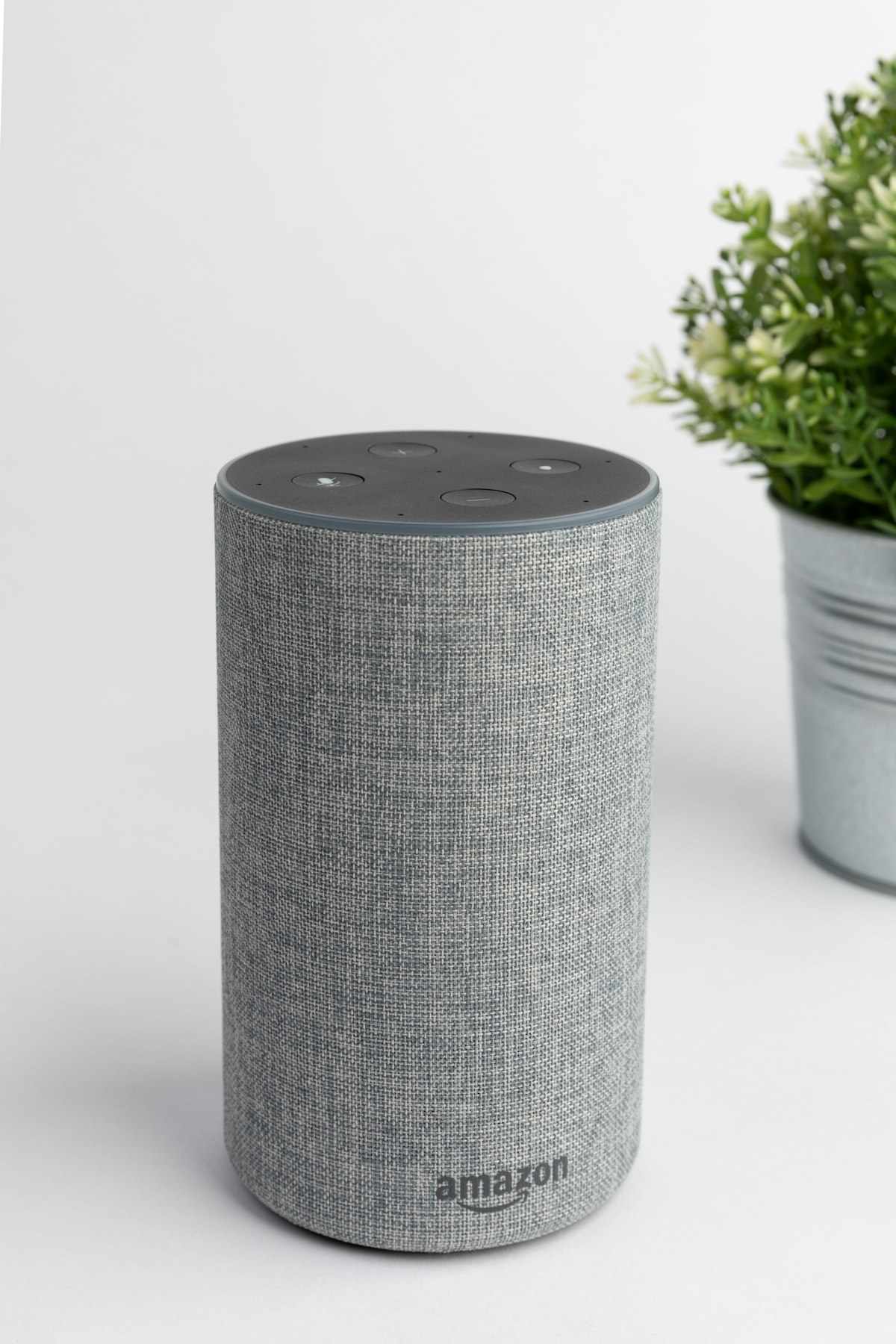
Smart speakers have made voice search SEO essential — assistants usually read just one answer aloud.
⚙️ How Voice Search Works (and What Gets Read Aloud)
When a user speaks a query, the assistant transcribes it, interprets the intent, and pulls an answer from a search engine — usually Google. The assistant prefers answers that are:
- Short and self-contained — typically 25 to 40 words, easy to speak and understand.
- Structured — lists, steps, tables, and FAQ blocks that machines can parse.
- Trusted — from pages with strong authority, HTTPS, and clear expertise.
- Local when relevant — backed by an accurate Google Business Profile for “near me” queries.
Google’s guidance for voice-friendly content is consistent: write for people, answer questions directly, use structured data, and keep pages fast.
1. 🗣️ Target Conversational, Long-Tail Keywords
Voice queries are longer and more conversational than typed queries. Where a typed search might be “SEO agency Lahore,” a voice search is “Which SEO agency in Lahore is best for small businesses?”
How to do it:
- Mine question keywords from Google’s People Also Ask boxes, AnswerThePublic, and your Search Console query report (filter for who/what/when/where/why/how).
- Target long-tail phrases of 5+ words. They have lower volume individually but far higher voice-search intent — and they are easier to rank for.
- Build content around question clusters: one pillar page per theme, with supporting FAQ answers for each sub-question.
- Use natural phrasing in headings: “How much does voice search SEO cost?” beats “Voice Search SEO Cost” because it matches how people actually speak.
2. ⚡ Answer Questions Directly in the First 30 Words
Voice assistants want an answer they can read immediately — not a 300-word introduction. Put the direct answer in the first paragraph, right under the heading, in 25–40 words. Then expand with detail below.
Example:
“Voice search SEO is the process of optimizing your website to appear as the spoken answer when users ask voice assistants like Google Assistant, Siri, or Alexa a question.” — 29 words, direct, speakable.
This “answer-first” structure also wins featured snippets and AI Overviews, because all three systems reward the same thing: a concise, complete answer at the top of the section.
3. ❓ Build FAQ Pages and FAQ Sections That Win Snippets
FAQ content is the single highest-leverage asset in voice search SEO. Voice queries are questions; FAQ pages are answers. Every service page, product page, and blog post should include an FAQ section with 4–6 real questions your customers actually ask.
FAQ best practices:
- Use the exact question as the H3 heading — word it the way customers say it.
- Answer in 40–60 words per question, in plain language, without jargon.
- Cover the full question spectrum: pricing, timing, comparisons, locations, and “how it works.”
- Add FAQ schema (see Tactic 4) so Google can identify the Q&A pairs.
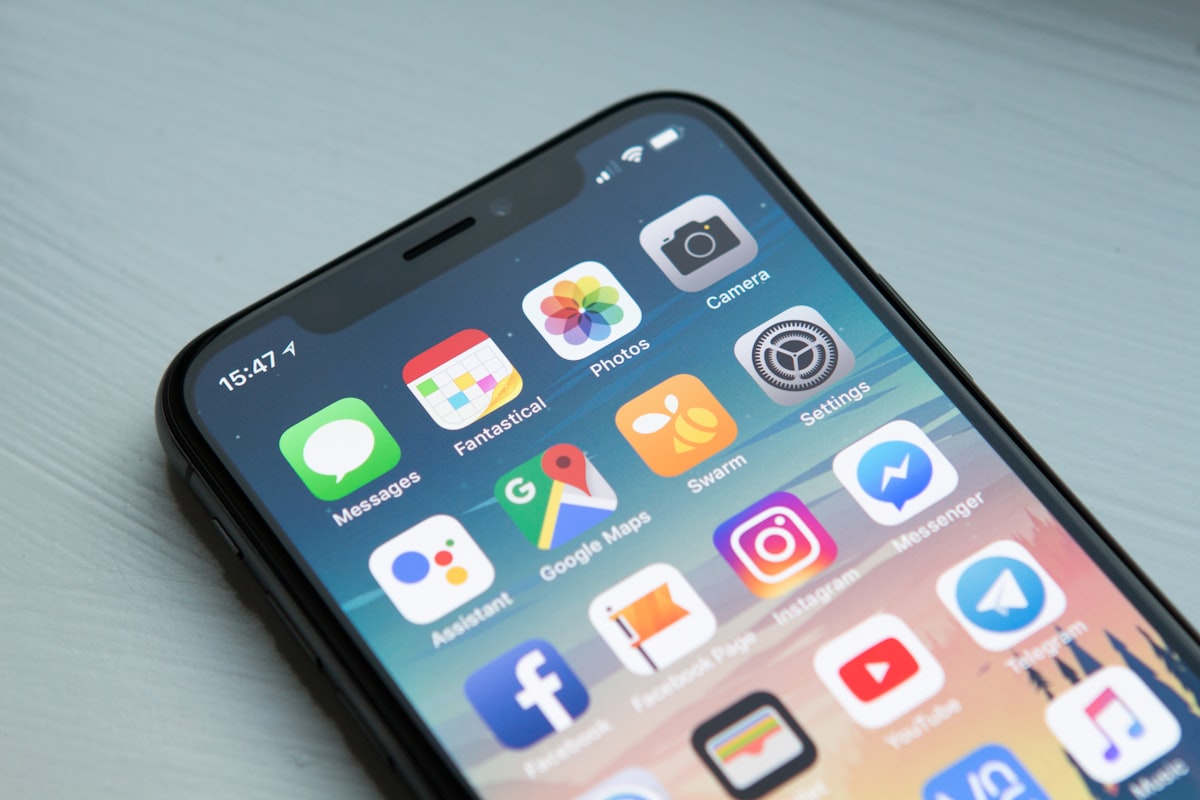
Most voice searches happen on smartphones — mobile-first, answer-first content wins.
4. 🏷️ Add FAQ and Speakable Schema Markup
Schema markup is the machine-readable layer that tells Google, “This block is a question, this block is the answer.” Without it, your FAQ content is just text on a page. With it, it becomes eligible for rich results, voice answers, and AI citations.
Schema types that matter for voice search SEO:
- FAQPage schema — marks up Q&A pairs on your pages. This is the most important schema for voice visibility.
- HowTo schema — marks up step-by-step instructions (“How do I reset my router?”).
- LocalBusiness schema — name, address, phone, hours, and services for local voice searches.
- SpeakableSpecification — identifies the sections of a page best suited for text-to-speech. Google’s documentation notes it is still rolling out, but marking your key answers is a sensible forward-looking step.
5. 🏆 Win Featured Snippets and People Also Ask Boxes
The majority of voice answers are pulled from featured snippets (position zero) or People Also Ask boxes. If you own position zero, you often own the voice answer too.
How to win position zero:
- Find keywords you already rank 2–10 for that trigger a featured snippet, then reformat your answer to match the snippet type (paragraph, list, or table).
- For definition queries, give a 40–60 word definition right after the heading.
- For “how to” queries, use a numbered list with short, imperative steps.
- For comparison queries (“X vs Y”), use a clean HTML table with the key differences.
- Keep answers self-contained — an assistant should be able to read the snippet without the rest of the page.
6. 📍 Optimize for Local Voice Searches (“Near Me”)
A huge share of voice searches are local: “best dentist near me,” “coffee shop open now,” “plumber in Lahore.” Voice assistants answer these from the local pack and Google Business Profile — not from organic blue links alone.
Local voice search SEO checklist:
- Claim and fully complete your Google Business Profile: accurate name, address, phone (NAP), hours, categories, services, and photos.
- Keep NAP identical across your website, directories, and social profiles.
- Collect genuine reviews and reply to all of them — review signals strongly influence local voice answers.
- Add location pages for each area you serve, with local landmarks, neighborhoods, and “near me” phrasing used naturally.
- Publish local content: area guides, local FAQs, and community news.
7. 🚀 Make Your Site Fast, Mobile-First, and Secure
Voice search happens on phones and speakers — devices with zero patience for slow pages. Google has confirmed that page speed and mobile usability influence which pages qualify for voice answers, and its own research shows that as page load time rises, the probability of a visitor bouncing climbs sharply.
Speed and mobile essentials:
- Aim for Largest Contentful Paint under 2.5 seconds on mobile.
- Use responsive design, readable font sizes, and thumb-friendly tap targets.
- Compress images (WebP/AVIF), lazy-load below-the-fold media, and minimize render-blocking scripts.
- Serve everything over HTTPS — secure pages are a baseline trust signal.
- Check Core Web Vitals in Search Console monthly and fix the worst offenders first.

Speakable, conversational content is what voice assistants prefer to read aloud.
8. ✍️ Write in a Natural, Conversational Tone
Voice answers are spoken, so your content should sound natural when read aloud. Read your key paragraphs out loud: if they sound like a robot wrote them, rewrite them. Short sentences, everyday words, and a friendly tone all help.
Conversational writing rules for voice search SEO:
- Write at a grade 8–9 reading level. Simple words are not “dumbing down” — they are how people actually talk.
- Use contractions (“it’s,” “you’ll”) and second person (“you”) to keep the tone human.
- Break up long paragraphs. Two to three sentences per paragraph is ideal for voice-friendly content.
- Answer follow-up questions naturally. Voice users ask follow-ups (“…and how much does it cost?”), so anticipate the next question in your content.
9. 📊 Track, Test, and Refine Your Voice Performance
There is no “voice search” report in Search Console — so you track voice search SEO through proxies that correlate strongly with voice visibility:
- Featured snippet ownership — track position-zero wins in Ahrefs, Semrush, or manual checks.
- Question-keyword rankings — monitor your rankings for who/what/when/where/why/how queries.
- Local pack visibility — track “near me” rankings and Google Business Profile calls, directions, and website clicks.
- Long-tail organic traffic — growth in long-tail question traffic is the clearest voice signal available.
🚫 Common Voice Search SEO Mistakes to Avoid
- Keyword stuffing — repeating “voice search SEO” unnaturally hurts readability and rankings. Use synonyms like voice search optimization, spoken queries, and voice assistants.
- Targeting only short keywords — two-word head terms rarely match how people speak.
- Hiding FAQ content behind accordions with no schema — assistants cannot easily parse what they cannot see in structured data.
- Ignoring local signals — an unclaimed or inconsistent Google Business Profile kills local voice visibility.
❓ Frequently Asked Questions
What is voice search SEO?
Voice search SEO is the process of optimizing your website so it appears as the spoken answer when users ask voice assistants like Google Assistant, Siri, or Alexa a question. It focuses on conversational keywords, direct answers, FAQ content, schema markup, and local optimization.
How is voice search SEO different from traditional SEO?
Traditional SEO targets typed keywords and ranked result pages. Voice search SEO targets spoken, question-based queries and aims for one spoken answer — usually a featured snippet or local pack listing.
Does voice search SEO help with AI search?
Yes. AI Overviews, chatbots, and voice assistants all prefer the same content qualities: concise direct answers, structured FAQ blocks, schema markup, and trustworthy sources. Voice search SEO improvements typically lift AI search visibility at the same time.
How long does voice search SEO take to work?
Most sites see early wins — featured snippets and People Also Ask placements — within 4 to 12 weeks of publishing answer-first FAQ content and schema.
What tools help with voice search SEO?
Google Search Console (question-query reports), Ahrefs or Semrush (featured-snippet tracking), AnswerThePublic (question research), Google’s Rich Results Test (schema validation), and PageSpeed Insights (mobile speed) cover the full voice search SEO workflow.
Is voice search SEO worth it for small businesses?
Absolutely — voice searches are heavily local and high-intent, so a well-optimized Google Business Profile plus FAQ content can put a small business ahead of much larger competitors.
✅ Conclusion
Voice optimization is not a separate channel to bolt on later — it is the natural evolution of search itself. People ask questions out loud, and they expect one clear, trustworthy answer. The businesses that give them that answer will win the call, the visit, and the sale.
Want help making your website the answer voice assistants choose? Contact Digital 365 Agency for a voice search SEO audit and content plan built for 2026.
Sources & further reading: Google Search Central — FAQ structured data; Schema.org — FAQPage; Think with Google — mobile speed and consumer behavior research; Google Search Central — Speakable structured data documentation.