Pakistan’s former Prime Minister, Imran Khan, is currently facing one of the most complex political and legal battles in the country’s history. He has been charged in more than 150 cases, ranging from corruption and misuse of authority to sedition, unlawful marriage, and inciting riots. Many observers, both inside and outside Pakistan, believe that these cases are politically motivated and designed to weaken his influence.
Corruption and Toshakhana Cases
Imran Khan and his wife were sentenced to 14 years in prison in the Al-Qadir Trust corruption case, though later they were granted bail while appeals continue. In the Toshakhana reference cases, he was accused of illegally selling state gifts. He received sentences, but courts have suspended several of them and granted bail. These trials have raised questions about selective accountability and whether justice is being used as a political tool.
Cypher and Iddat Cases
In the Cypher case, Imran Khan was accused of mishandling a secret diplomatic document, which allegedly harmed Pakistan’s foreign relations. The court found him guilty.
In the Iddat case, he and his wife were accused of marrying during the Islamic waiting period. Both were sentenced to 7 years, but later acquitted in July 2024.
May 9 Riots and Anti-Terrorism Charges
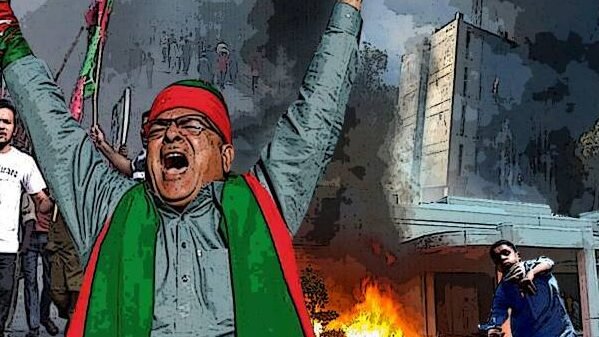
The most controversial chapter came after the May 9, 2023 riots, when his supporters stormed military and government buildings. Dozens of senior PTI leaders and workers received up to 10 years of imprisonment. One court even compared Khan’s role to that of a terrorist. However, in a landmark ruling, Pakistan’s Supreme Court declared military trials unconstitutional and shifted the cases back to civilian courts, strengthening democratic principles.
Courts and Human Rights Issues
Despite sentences, several courts have recognized Imran Khan’s rights. The Islamabad High Court restored his visitation rights, allowing meetings with lawyers and family after earlier restrictions.
At the international level, the response has been strong. The United Nations Working Group on Arbitrary Detention called his imprisonment “arbitrary” and demanded his release. A bill introduced in the US Congress even sought sanctions against Pakistan’s Army Chief while calling for Khan’s freedom. Human rights organizations worldwide have raised concerns about solitary confinement, lack of fair trial standards, and the excessive number of cases filed against him.
In August 2025, a US State Department human rights report criticized Pakistan for “rarely taking credible steps” against abuses, citing Imran Khan’s prolonged detention as one of the examples.
Conclusion
The political cases against Imran Khan highlight the deep divisions in Pakistan’s political system and judiciary. On one hand, courts have issued heavy sentences; on the other, they have suspended many and acknowledged human rights concerns. What remains clear is that political rivalry should not overshadow the principles of justice, democracy, and human dignity.
If Pakistan wants to move towards stability, it must ensure independent courts, the rule of law, and the protection of fundamental human rights. Only then can the country uphold true justice and preserve its democratic spirit.