
Best AI wearables 2026 are no longer a glimpse of the future. They are the fitness coach, translator and personal assistant you wear on your face, wrist, finger or chest. In 2026, the best AI wearables 2026 buyers choose combine on-device intelligence, better sensors and all-day battery life in designs that look like normal glasses, watches and rings, not prototypes.
In this guide, we compare the 9 best AI wearables 2026 has to offer — smart glasses, AI rings, smartwatches, earbuds and pins — with prices, battery life, standout features and honest drawbacks, plus a buying guide for your lifestyle, budget and privacy comfort level.
Table of Contents
- What Are AI Wearables?
- Why the Best AI Wearables 2026 Matter Right Now
- The 9 Best AI Wearables 2026: Compared
- Best AI Wearables 2026 Comparison Table
- How to Choose the Best AI Wearables 2026 for You
- Privacy and Safety: What to Check Before You Buy
- Common Mistakes When Buying AI Wearables
- The Future of AI Wearables Beyond 2026
- Frequently Asked Questions
Key Takeaways
- The best AI wearables 2026 blend into everyday life: glasses, watches, rings, earbuds and pins that assist without demanding attention.
- Smart glasses lead for hands-free AI, smartwatches for health and fitness, smart rings for discreet sleep tracking.
- Battery life, subscription costs and privacy controls matter as much as AI features.
- Start with one wearable that solves a real daily problem, not the longest feature list.
1. What Are AI Wearables? 🤖
AI wearables are body-worn devices that use artificial intelligence to understand context and act on it. A traditional smartwatch counts steps; an AI wearable explains what those steps mean, notices your resting heart rate drifting upward for three nights, and suggests a lighter training day. Smart glasses with AI can identify a landmark or translate a street sign in real time — all without you pulling out a phone.
The shift in 2026 is that much of this intelligence now runs on the device itself. Faster chips let your wearable process voice commands, recognise objects and summarise messages without sending every recording to the cloud — bringing faster responses, longer battery life and better privacy. The best AI wearables 2026 models balance on-device processing with cloud intelligence, using the cloud only for heavier tasks.
There are five main categories in the best AI wearables 2026 lineup: smart glasses, smartwatches, smart rings, AI earbuds and AI pins and pendants. This guide covers a strong pick in every category.
2. Why the Best AI Wearables 2026 Matter Right Now 📈
Three trends collided in 2026 to make AI wearables genuinely useful. First, voice assistants became conversational: you can ask follow-ups and speak naturally. Second, health sensors improved enough that watches and rings now track sleep stages, heart-rate variability and stress with accuracy coaches take seriously. Third, prices fell as competition intensified, bringing capable AI wearables into the mid-range.
For professionals, the appeal is time: an AI wearable triages notifications, drafts replies, transcribes meetings and translates conversations. For fitness buyers, it is coaching based on your own data rather than generic targets. For travellers, live translation removes a major barrier to exploring a new place.
Wearable shipments have rebounded as AI features give owners a reason to upgrade, and analysts expect AI-capable devices to make up a growing share of new wearables sold. If you are buying in 2026, you are effectively choosing an AI companion — so compare the best AI wearables 2026 has to offer rather than buying on hardware specs alone.
3. The 9 Best AI Wearables 2026: Compared 🏆
Every pick below was judged on AI usefulness, health accuracy, battery life, comfort, app quality, privacy controls and value. Prices are typical 2026 prices and vary by region.
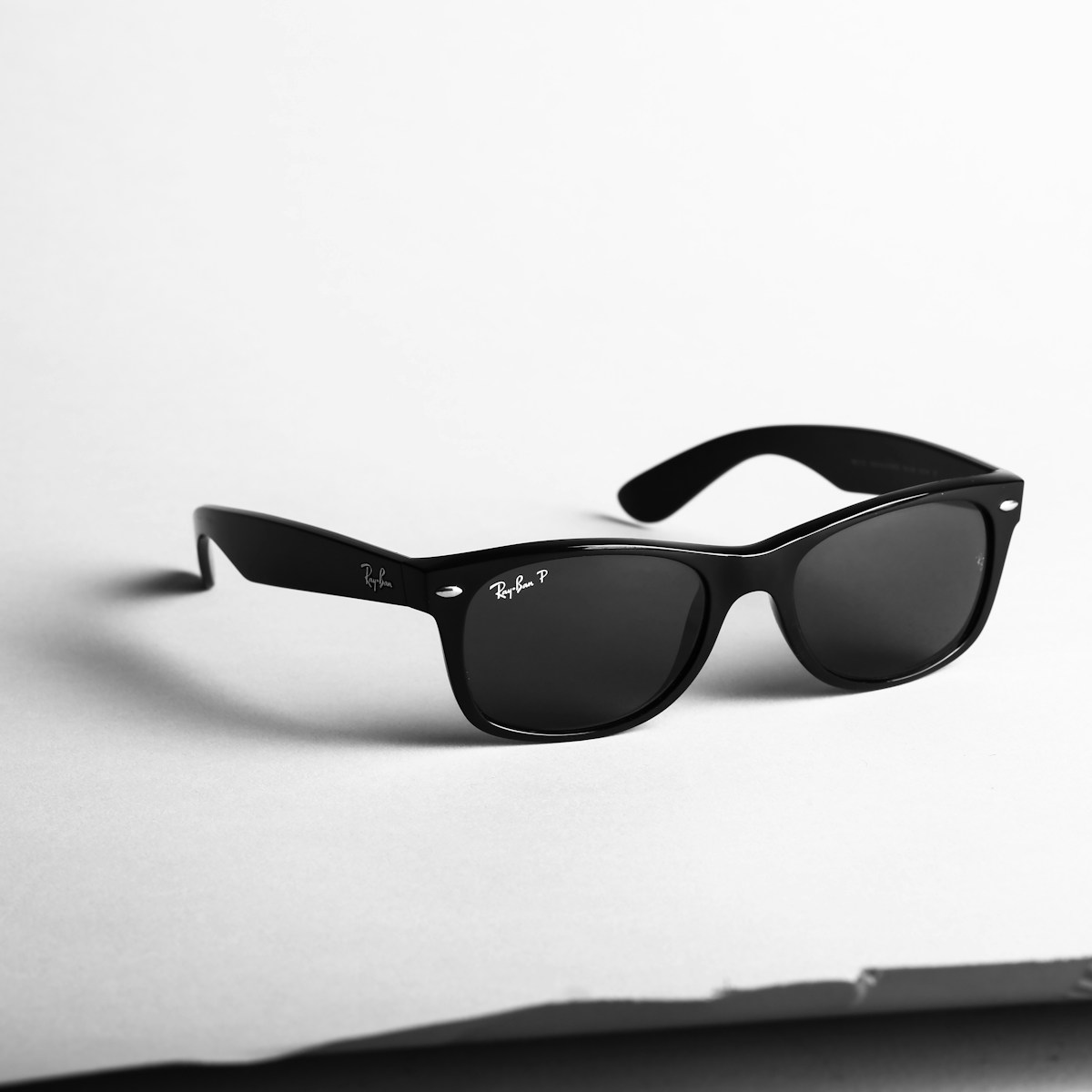
1. Meta AI Glasses (Ray-Ban and Oakley styles) — Best AI Smart Glasses. The most practical AI glasses you can buy in 2026. A camera, open-ear speakers and voice assistant let you ask questions about what you are looking at, capture photos hands-free and hear directions in your ear. They look like ordinary sunglasses, so you will actually wear them. Battery life is 4–6 hours of active use, extended by the charging case. Heavy AI use drains the battery faster than headline figures suggest.
2. Apple Watch Series (2026 lineup) — Best AI Smartwatch Overall. The default AI wearable for iPhone owners. On-device Siri is faster, health insights are more personalised, and sleep scoring, workout coaching and fall detection work together rather than as separate apps. Battery life is typically 18–36 hours, with fast charging. The catch is ecosystem lock-in: it only works fully with an iPhone.
3. Samsung Galaxy Watch (2026 lineup) — Best AI Smartwatch for Android. The closest Android equivalent, with Google’s Gemini assistant, sleep coaching, body-composition estimates and a wide range of sport modes. Its AI energy score summarises sleep, activity and recovery into one actionable morning number. Battery life is around 30–40 hours, and it pairs best with Samsung phones.
4. Oura Ring (latest generation) — Best AI Smart Ring. Powerful health tracking without a screen on your wrist. It tracks sleep stages, readiness, heart-rate variability, temperature trends and activity from a titanium ring you forget you are wearing, and its AI explains why your readiness score moved. Battery life is 5–7 days. Note the subscription: most advanced insights require a monthly membership.
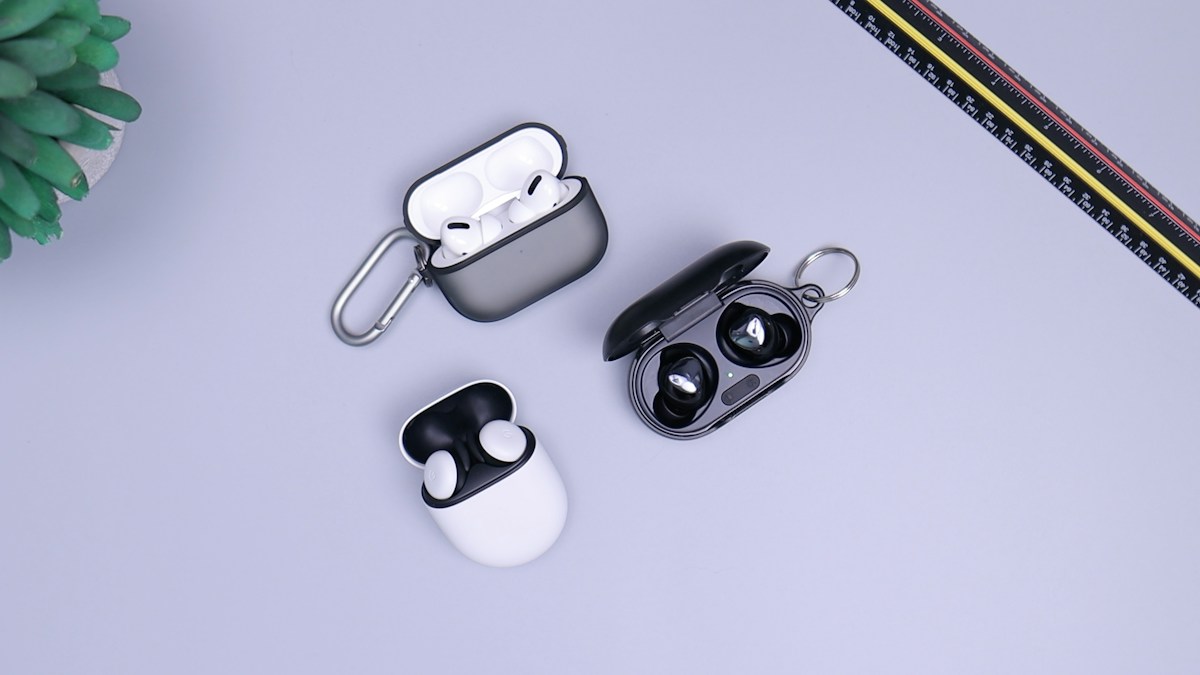
5. Google Pixel Buds Pro (AI earbuds) — Best AI Earbuds for Translation. The sleeper hit of the best AI wearables 2026 range. Live translation, real-time transcription and a conversational assistant meet strong noise cancellation and all-day comfort. For commuters and travellers, hearing a conversation translated in your ear feels like science fiction made routine. Battery life is 8 hours per charge, 30 hours with the case.
6. Apple AirPods Pro (2026 models) — Best AI Earbuds for iPhone Users. Live translation, hearing-health features, adaptive noise control and a voice assistant that understands context across Apple devices. Their strength is how invisibly they work: translation starts automatically and switching between devices needs no thought. Battery life is about 6 hours per charge, 30 hours with the case.
7. Samsung Galaxy Ring — Best AI Ring for Android Users. Oura-style sleep and energy tracking in Samsung Health with no subscription fee for core insights — a genuine advantage over rivals. Light, comfortable, 6–7 days per charge, and its AI tips improve as it learns your patterns. The trade-off is a narrower sensor set than a smartwatch, so it suits people who want tracking without notifications.
8. Humane-style AI Pin / Pendant Devices — Best Screen-Free AI Companion. Pins and pendants clip to your clothing and answer questions, take notes, translate speech and summarise your day with no screen at all. You speak, it responds, and your hands and eyes stay free. Battery life is typically a full day with a booster. These devices are still maturing, though, and work best as companions to a phone, not replacements for one.
9. Garmin Fenix / Forerunner AI Models — Best AI Wearable for Athletes. For serious runners and cyclists, Garmin’s AI coaching is in a class of its own: training readiness, race predictions and adaptive plans adjust daily to your sleep, strain and recovery. Battery life is 2–3 weeks, far beyond mainstream smartwatches. Smart features are thinner than Apple or Samsung, but for training, nothing else in the best AI wearables 2026 list comes close.
4. Best AI Wearables 2026 Comparison Table 📊
| Wearable | Category | Best For | Battery Life | Subscription? |
|---|---|---|---|---|
| Meta AI Glasses | Smart glasses | Hands-free AI | 4–6 hrs (+ case) | No |
| Apple Watch | Smartwatch | iPhone users | 18–36 hrs | No |
| Samsung Galaxy Watch | Smartwatch | Android users | 30–40 hrs | No |
| Oura Ring | Smart ring | Sleep & recovery | 5–7 days | Yes |
| Pixel Buds Pro | AI earbuds | Translation | 8 hrs (+ case) | No |
| AirPods Pro | AI earbuds | iPhone users | 6 hrs (+ case) | No |
| Samsung Galaxy Ring | Smart ring | Android tracking | 6–7 days | No |
| AI Pin / Pendant | Screen-free AI | Digital minimalism | ~1 day | Varies |
| Garmin Fenix / Forerunner | Sports watch | Athletes | 2–3 weeks | No |

5. How to Choose the Best AI Wearables 2026 for You 🛒
Start with your phone. The best AI wearables 2026 work best inside their home ecosystem: Apple Watch with iPhone, Galaxy Watch and Galaxy Ring with Android, Pixel Buds with Pixel phones. Cross-platform picks such as Oura Ring, Garmin and Meta AI Glasses are safer if you switch phones often.
Next, name the one job you want it to do: translation and hands-free help means glasses or earbuds; sleep and recovery means a ring; all-round health plus notifications means a smartwatch; training performance means a Garmin. The brilliant thing should be the one you care about.
Then check the total cost, not just the sticker price. Some subscriptions can exceed the hardware cost over two years, so check what is paywalled. Finally, try the fit: glasses must sit comfortably for hours, rings need correct sizing (most brands offer a free kit), and earbuds must seal well without aching.
For deeper category comparisons, see our guides to the best smartwatches of 2026, augmented reality glasses and best wireless earbuds.
6. Privacy and Safety: What to Check Before You Buy 🔒
AI wearables collect uniquely personal data: your voice, location, heart rate, sleep and sometimes your surroundings through a camera. Before buying, check four things: does it process voice and health data on-device by default? Can you easily delete your voice and health history? Does a camera device have a clear recording light and a way to disable the camera? Are there physical controls for the microphone and camera?
After purchase, review permissions monthly, turn off features you do not use and keep firmware updated, and be thoughtful about camera glasses in private spaces. The best AI wearables 2026 respect these boundaries with clear controls; if a device hides its privacy settings, treat that as a warning sign. These step-by-step AI tutorials explain AI tool privacy settings in plain language.
7. Common Mistakes When Buying AI Wearables ⚠️
- Buying for the demo, not the daily routine. Choose the wearable that helps on an ordinary Tuesday, not one you use once at a trade show.
- Ignoring battery reality. Headline figures assume light use; heavy AI use and GPS workouts cut them sharply.
- Forgetting the subscription. Add 24 months of membership fees to the purchase price and compare totals, not launch prices.
- Skipping sizing. Use the free sizing kit and check the return policy first.
- Expecting a phone replacement. Even the best AI wearables 2026 complement your phone; they do not replace it. Buy the companion, not the fantasy.
8. The Future of AI Wearables Beyond 2026 🔮
Expect three shifts next. Displays will move into more glasses, turning today’s camera-and-audio glasses into true augmented-reality displays. Health sensors will go deeper, with glucose trends and blood-pressure estimates moving from research to mainstream devices. And AI will become proactive: your wearable will summarise your meeting briefing and warn you about a delayed train before you ask.
The winners will be those that earn trust as well as attention: on-device processing, transparent data controls and honest battery claims will matter more than feature counts. See Apple Watch and Samsung wearables for how the leading ecosystems are evolving their AI features.
Frequently Asked Questions ❓
What is the best AI wearable in 2026 overall?
For most people, a flagship smartwatch — Apple Watch for iPhone, Galaxy Watch for Android — is the best all-round AI wearable. For hands-free AI specifically, Meta AI Glasses are the standout pick.
Do AI wearables need a subscription?
Most watches, glasses and earbuds include core AI features without one. Some smart rings, notably Oura, require a membership for advanced insights.
Are AI smart glasses safe for privacy?
Yes, if used thoughtfully: they carry a recording indicator light, and you can disable the camera and microphone. Avoid recording in private spaces.
Can AI wearables replace my phone?
Not yet. The best AI wearables 2026 complement a phone with faster, hands-free help, but still rely on it for setup and connectivity. Think companion, not replacement.
Which AI wearable has the best battery life?
Garmin sports watches lead at two to three weeks, followed by smart rings at five to seven days. Glasses and earbuds need daily or case-based charging.
Are AI wearables worth it in 2026?
Yes, if you buy for a real daily need — translation, sleep tracking, training coaching or hands-free assistance. The technology crossed from novelty to genuinely useful in 2026.
Final Verdict: Which of the Best AI Wearables 2026 Should You Buy?
If you want one device that does the most, buy the flagship smartwatch for your phone. For the most futuristic everyday experience, buy AI glasses. For invisible health tracking, buy a smart ring. If you train seriously, buy a Garmin. Whichever you choose from the best AI wearables 2026 list, give its AI two weeks to learn your patterns before judging it.
Sources & notes: Based on manufacturer specifications and 2026 lineups from Apple, Samsung, Meta and Garmin, plus wearable-market reporting. Prices and battery figures are typical values and vary by model and usage.