
AI in insurance is no longer a futuristic experiment. In 2026, insurers of every size use artificial intelligence to price policies more fairly, settle claims in hours instead of weeks, catch fraud before it is paid out, and serve customers around the clock. If your agency, brokerage, or insurtech startup is still running on manual underwriting and paper claims, this guide explains exactly where insurance AI delivers value — and how to adopt it without breaking trust or compliance.
In this guide, you will learn the nine most important ways AI in insurance is changing coverage in 2026, what each one costs and returns, the risks to manage, and a practical five-step adoption plan.
📋 Table of Contents
- What Is AI in Insurance?
- 1. Smarter, Faster Underwriting with AI in Insurance
- 2. Claims Settled in Hours, Not Weeks
- 3. Fraud Detection That Pays for Itself
- 4. Personalized Pricing and Usage-Based Cover
- 5. 24/7 Customer Service That Actually Helps
- 6. Risk Prediction and Prevention Before a Claim Happens
- 7. Automated Documents, Data Entry, and Back-Office Work
- 8. Smarter Distribution: AI Agents for Brokers and Agents
- 9. Compliance, Reporting, and Audit-Ready AI in Insurance
- What AI in Insurance Costs — and What It Returns
- Risks, Bias, and Regulation: What to Watch
- How to Adopt AI in Insurance in 5 Steps
- Key Takeaways
- Frequently Asked Questions
What Is AI in Insurance?
AI in insurance means using machine learning, natural language processing, computer vision, and predictive analytics across the insurance value chain — from quoting and underwriting to claims, fraud, pricing, and customer service. Instead of a human reading every form, an AI model reads thousands of data points in seconds: driving behaviour, property photos, medical history (with consent), weather risk, and claims history.
The result is not about replacing people. The best insurers in 2026 use insurance AI to remove repetitive work so underwriters, adjusters, and agents can focus on judgement calls, complex cases, and relationships. Done well, that combination lowers loss ratios, shortens cycle times, and improves the customer experience at the same time.

AI in insurance turns slow, manual underwriting into fast, data-driven decisions.
🤖 1. Smarter, Faster Underwriting with AI in Insurance
Underwriting used to take days of forms, medical checks, and manual risk scoring. Today, insurance AI models can assess risk in minutes by analysing structured and unstructured data — application answers, public records, telematics, and even property imagery — and returning a recommendation with a confidence score.
What changes in practice:
- Straight-through processing: low-risk applicants get an instant quote and policy, with no human touch.
- Consistent decisions: the same risk factors are weighed the same way, every time, reducing variation between underwriters.
- Better risk segmentation: insurers can price niche risks — gig workers, EV owners, smart-home households — that old rating tables handled poorly.
⚡ 2. Claims Settled in Hours, Not Weeks
Claims is where customers judge an insurer — and where AI in insurance shines brightest. Computer vision can assess vehicle damage from smartphone photos, estimate repair costs, and approve straightforward claims automatically. Natural language models read adjuster notes, police reports, and repair invoices, then route each claim to the right handler.
Industry experience in 2026 shows a clear pattern: simple claims (windscreen cracks, minor bumper damage, small property losses) can now be settled the same day, while complex claims get to a senior adjuster faster because the routine queue is gone. Faster settlement is not just a service win — it reduces leakage, storage costs, and customer churn after a claim, which is exactly when policyholders decide whether to renew.
🛡️ 3. Fraud Detection That Pays for Itself
Insurance fraud costs the industry billions every year, and rule-based systems miss the subtle patterns. Fraud-detection models look across claims, providers, repair shops, and claimant networks to spot anomalies a human reviewer would never connect: the same phone number on unrelated claims, repair bills that cluster just under approval thresholds, or staged-accident rings.
Modern systems combine three layers:
- Anomaly detection flags claims that look statistically unusual for their type.
- Network analysis maps relationships between claimants, garages, clinics, and attorneys.
- Image forensics checks whether damage photos were reused, edited, or taken from another claim.
Crucially, good fraud tools explain their flags, so legitimate customers are never delayed by an opaque model.
💰 4. Personalized Pricing and Usage-Based Cover
Flat annual premiums are giving way to pricing that reflects how a customer actually lives. Insurance AI powers usage-based auto cover (pay per mile, or pay how you drive), smart-home discounts for leak sensors and alarms, and wellness-linked life and health pricing where customers who share verified activity data earn better rates.
This is a genuine win-win when done transparently: careful drivers and careful homeowners pay less, and insurers attract lower-risk customers. The commercial case is strong too — personalized pricing is one of the highest-CPC, highest-intent topics in insurtech marketing, because shoppers actively search for quotes they can compare.
The guardrail is fairness. Regulators increasingly require insurers to show that pricing variables are explainable and do not act as proxies for protected characteristics. Build that audit trail from day one, not as an afterthought.

AI in insurance makes pricing personal — but transparency is what keeps it fair.
💬 5. 24/7 Customer Service That Actually Helps
AI chatbots and voice assistants now handle the questions that used to clog call centres: “What does my policy cover?”, “How do I add a driver?”, “Where is my claim?” Modern AI in insurance assistants are grounded in the insurer’s own policy documents, so they answer from the actual wording rather than guessing — and they hand off to a human, with full context, the moment a case gets sensitive or complex.
The payoff is measurable: shorter wait times, higher first-contact resolution, and support in multiple languages at no extra staffing cost. For small agencies, this is the cheapest entry point into AI in insurance — a well-configured assistant can cover nights and weekends that a five-person team never could.
One caution: never let a bot deny a claim or give binding coverage advice without human review. Service automation should speed up help, not quietly make decisions customers cannot challenge.
🔮 6. Risk Prediction and Prevention Before a Claim Happens
The most profitable shift in AI in insurance is moving from paying claims to preventing them. Predictive models combine weather forecasts, sensor data, and claims history to warn customers before loss occurs: a frozen-pipe alert during a cold snap, a wildfire-risk notice with mitigation steps, or a fleet-safety alert when a driver’s risk score spikes.
Telematics in commercial fleets is the clearest example: insurers that coach drivers with AI feedback see fewer accidents and lower claims. In property lines, IoT leak and fire sensors are turning prevention into a policy feature customers actively choose.
📄 7. Automated Documents, Data Entry, and Back-Office Work
Behind every policy sits a mountain of paperwork: applications, endorsements, bordereaux, reinsurance slips, and compliance filings. Document-automation tools extract, classify, and validate this data automatically, cutting the manual keying that causes errors and delays.
For brokers and MGAs, this is often the fastest payback of all. Submissions that once took an underwriter an hour to triage can be read, summarised, and routed in minutes — with missing information flagged back to the broker immediately instead of discovered days later. Teams that want a gentle, practical introduction to working with AI tools can also benefit from step-by-step AI tutorials that walk through everyday AI workflows in plain language.
🤝 8. Smarter Distribution: AI Agents for Brokers and Agents
Distribution is the next frontier for insurance AI. Lead-scoring models rank prospects by likelihood to buy and lifetime value, so agents call the right people first. Next-best-action tools suggest the cover a customer is most likely to need at renewal — a cyber add-on for a growing business, or contents cover for a new homeowner — based on life events, not guesswork.
Agentic AI goes one step further: AI assistants that can draft a quote comparison, prepare a renewal summary, or follow up a lapsed lead, with a human approving before anything is sent. The best deployments keep the agent in control and the AI in the assistant seat — customers still buy from people they trust, but those people arrive far better prepared.
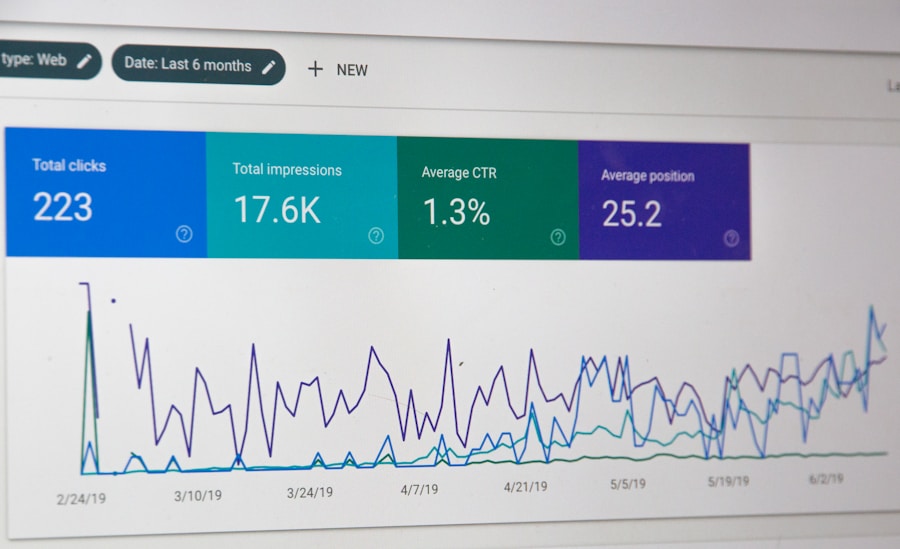
AI in insurance helps agents spend less time on admin and more time advising clients.
⚖️ 9. Compliance, Reporting, and Audit-Ready AI in Insurance
Regulators now ask a simple question about any insurance AI system: can you explain it? That means model documentation, version control, bias testing, human-oversight logs, and data-lineage records are no longer optional extras — they are part of the product.
Practical steps that satisfy most reviewers:
- Keep a model inventory: what each model does, what data it uses, and who owns it.
- Test for disparate impact before launch and re-test after every major update.
- Log every automated decision that affects a customer, with the reason code that produced it.
- Give customers a clear way to ask for a human review of an automated decision.
Insurers that build this discipline early move faster later, because each new launch reuses the same governance rails instead of starting a fresh compliance project. Guidance from industry bodies such as the Insurance Information Institute and the National Association of Insurance Commissioners is a useful reference point when framing your own governance approach.
What AI in Insurance Costs — and What It Returns
Costs vary widely. A chatbot or document-extraction pilot can start for a few hundred dollars a month on a SaaS plan, while a custom underwriting platform is a six-figure build with ongoing model-maintenance costs. The honest way to budget is by use case, not by technology: price the outcome (claims settled per day, hours saved per underwriter, fraud caught per quarter) and compare vendors on that outcome.
Typical returns cluster around three areas: loss-ratio improvement, expense-ratio reduction, and growth from faster quoting and better retention. Pilots that pay back fastest are usually claims triage, document automation, and customer-service assistants.
Related reading on this site: AI in Healthcare: 9 Ways AI Is Transforming Patient Care, AI in Finance: 9 Ways AI Is Transforming Banking in 2026, and AI in Customer Service: 9 Ways It Wins in 2026.
Risks, Bias, and Regulation: What to Watch
AI in insurance carries real risks if deployed carelessly. Biased training data can produce unfair pricing. Hallucinating language models can invent policy terms. Over-automation can leave vulnerable customers without a human to talk to. And data breaches involving health or financial data carry regulatory consequences far beyond a bad quarter.
Manage these risks with four habits: human oversight on customer-affecting decisions, explainability requirements in vendor contracts, data-minimisation, and regular independent testing. That is what makes customers and regulators trust a deployment enough to scale it.
How to Adopt AI in Insurance in 5 Steps
- Pick one painful process. Claims triage, submission intake, or first-response service — not everything at once.
- Baseline it first. Measure cycle time, cost per case, and customer satisfaction before you change anything.
- Run a 90-day pilot. One team, one product line, clear success criteria, and a named owner.
- Prove the governance. Document the model, test for bias, and confirm the human-oversight path before wider rollout.
- Scale what worked. Roll the winning use case to more lines, then start the next one — momentum beats perfection.
Key Takeaways
AI in insurance is changing coverage in 2026 across underwriting, claims, fraud, pricing, service, prevention, back-office work, distribution, and compliance. Start with one high-payback pilot, measure it honestly, keep a human in charge of customer-affecting decisions, and build governance from day one. Insurers that do this now will quote faster, settle sooner, and retain more customers than competitors still running on manual processes.
Frequently Asked Questions
Will AI in insurance replace underwriters and adjusters?
No. It removes repetitive reading, scoring, and routing so professionals can focus on complex risks, negotiations, and customer relationships. The strongest results in 2026 come from human-plus-AI teams, not full automation.
Is AI in insurance safe for customer data?
It can be, with the right controls: encryption, access limits, data-minimisation, and vendor contracts that forbid training on your customer data without permission. Ask every vendor these questions before signing.
How much does AI in insurance cost a small agency?
Entry-level SaaS tools for chat, document extraction, or lead scoring start at modest monthly fees, while custom platforms cost far more. Start with one pilot, measure the return in one quarter, and scale only what pays back.
Can AI in insurance help with fraud without delaying genuine claims?
Yes, when fraud scores are explainable and high-risk flags go to a human adjuster rather than an automatic denial. The goal is to catch fraud rings early while genuine claims still settle fast.
What should insurers check before buying an insurance AI tool?
Check explainability, bias testing, data ownership, integration with your policy system, and the vendor’s compliance documentation. A tool that cannot explain its decisions will not survive regulatory review.
Sources note: This guide synthesises widely reported industry practice for AI in insurance in 2026, including insurer technology reports and guidance from the Insurance Information Institute and the National Association of Insurance Commissioners. Figures are framed as typical industry experience rather than guarantees, since results vary by line of business, data quality, and implementation.