
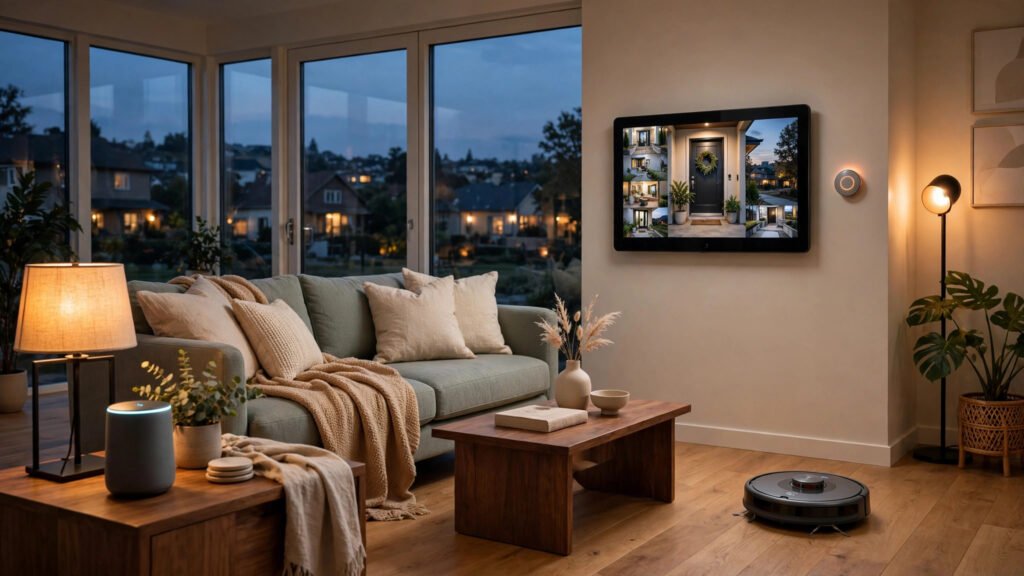
Introduction: The Smart Home Grows Up in 2026
The best smart home devices 2026 have one thing in common: they finally work together. A few years ago, building a smart home meant juggling five apps, three voice assistants, and a drawer full of hubs that refused to talk to each other. In 2026, the Matter standard, faster Wi-Fi, and genuinely useful AI have changed that. The best smart home devices 2026 buyers can choose today connect in minutes, automate themselves, and keep working even when the internet blips.
This guide compares the best smart home devices 2026 across the categories that matter most: security, lighting, climate, entertainment, and cleaning. Whether you rent a one-bedroom flat or own a family house, you will find a pick that fits your budget, your ecosystem, and your tolerance for setup. Every product below was judged on real-world reliability, app quality, privacy controls, and value — not just spec sheets.
If you are new to home automation, start with one category, live with it for a month, and expand from there. The smartest homes are built one good device at a time.
🔑 Key Takeaways
- Start with a hub or a Matter-compatible speaker — it makes every later device easier to add.
- Security cameras and video doorbells deliver the fastest payback in peace of mind and insurance-friendly deterrence.
- Smart thermostats typically pay for themselves within one to two heating and cooling seasons.
- Check Matter, Thread, Alexa, Google Home, and Apple HomeKit compatibility before you buy anything.
- Budget around $300–$500 for a strong starter setup covering security, lighting, and climate.
📑 Table of Contents
- Why Upgrade Your Home in 2026?
- How We Chose the Best Smart Home Devices 2026
- 9 Best Smart Home Devices 2026: Top Picks Compared
- Best Smart Home Devices 2026 Comparison Table
- Best Smart Home Devices 2026 Buying Guide
- 5 Setup Mistakes to Avoid
- Frequently Asked Questions
- Final Verdict
🏠 Why Upgrade Your Home in 2026?
Three shifts make 2026 the best year yet to go smart. First, Matter is finally mainstream. Most new devices now carry the Matter badge, which means a single device can work with Alexa, Google Home, Apple Home, and Samsung SmartThings without workarounds. Second, AI routines have grown up. Instead of rigid “if this, then that” rules, modern hubs learn your patterns — dimming lights at bedtime, pre-heating the house before you arrive, and flagging unusual activity. Third, prices have fallen. Solid smart bulbs now cost less than a takeaway coffee, and capable security cameras start under $40.
Industry analysts estimate that the global smart home market continues to grow at a double-digit pace, with security and energy management leading adoption. For homeowners, the practical benefits are simpler: lower energy bills, faster responses to leaks or intruders, and a home that quietly handles the boring stuff.
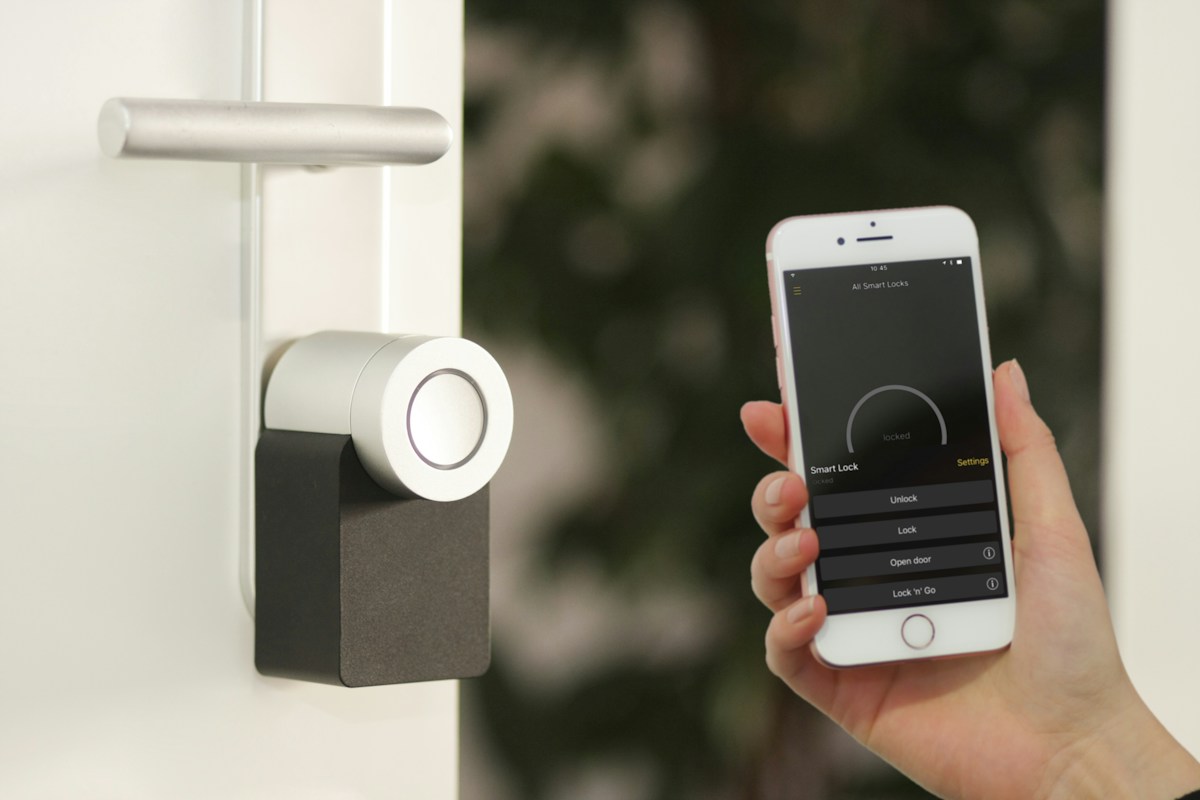
Caption: A voice-controlled hub is the easiest starting point for the best smart home devices 2026.
🔍 How We Chose the Best Smart Home Devices 2026
We scored every candidate on five criteria: ease of setup (under 15 minutes, no hub required where possible), ecosystem compatibility (Matter, Thread, Alexa, Google, Apple), reliability (local control and offline resilience), privacy (local processing options, clear data controls, two-factor authentication), and value (features per dollar over a realistic three-year lifespan, including any subscription costs).
We also weighted running costs honestly. A $30 camera with a $10 monthly subscription costs $390 over three years — more than a $100 camera with free local storage. Where a subscription unlocks genuinely useful features, we say so; where it only removes an artificial limit, we mark the product down.
⭐ 9 Best Smart Home Devices 2026: Top Picks Compared
1. Best Smart Home Devices 2026 Overall Hub: Smart Speaker with Matter and Thread
Every smart home needs a brain, and in 2026 that brain is a smart speaker with built-in Matter and Thread radios. It controls lights, locks, and thermostats by voice, runs automations locally, and doubles as a music speaker and intercom. Best for: first-time buyers and anyone tired of juggling apps. Watch out for: choosing a speaker tied to only one ecosystem — pick one that supports at least two major platforms. Typical price: $50–$100.
2. Best Smart Home Devices 2026 Security Pick: Video Doorbell
A video doorbell is the single highest-impact security upgrade most homes can make. You see and speak to visitors from anywhere, get motion alerts with person detection, and keep a record of every delivery. Look for 2K resolution, a wide field of view, and local or low-cost cloud storage. Best for: houses and flats with a front entrance. Watch out for: battery models in cold climates — wired versions are more reliable. Typical price: $100–$200.
3. Best Smart Home Devices 2026 Camera: Indoor-Outdoor Security Camera
Modern security cameras now distinguish people, pets, vehicles, and packages, cutting false alerts dramatically. The best models offer colour night vision, two-way audio, and on-device AI so clips are analysed at home rather than in the cloud. Best for: gardens, driveways, and living areas. Watch out for: subscription-only cameras — prefer models with microSD or home-base storage. Typical price: $40–$150 per camera.
4. Best Smart Home Devices 2026 Climate Pick: Learning Thermostat
A learning thermostat studies your schedule and adjusts heating and cooling automatically, and independent studies have repeatedly found savings of 10–15% on heating and cooling bills. Room sensors fix the classic problem of one cold bedroom and one roasting living room. Best for: homeowners with central heating or cooling. Watch out for: older HVAC wiring — check compatibility (most brands offer a free online checker) before ordering. Typical price: $130–$250.
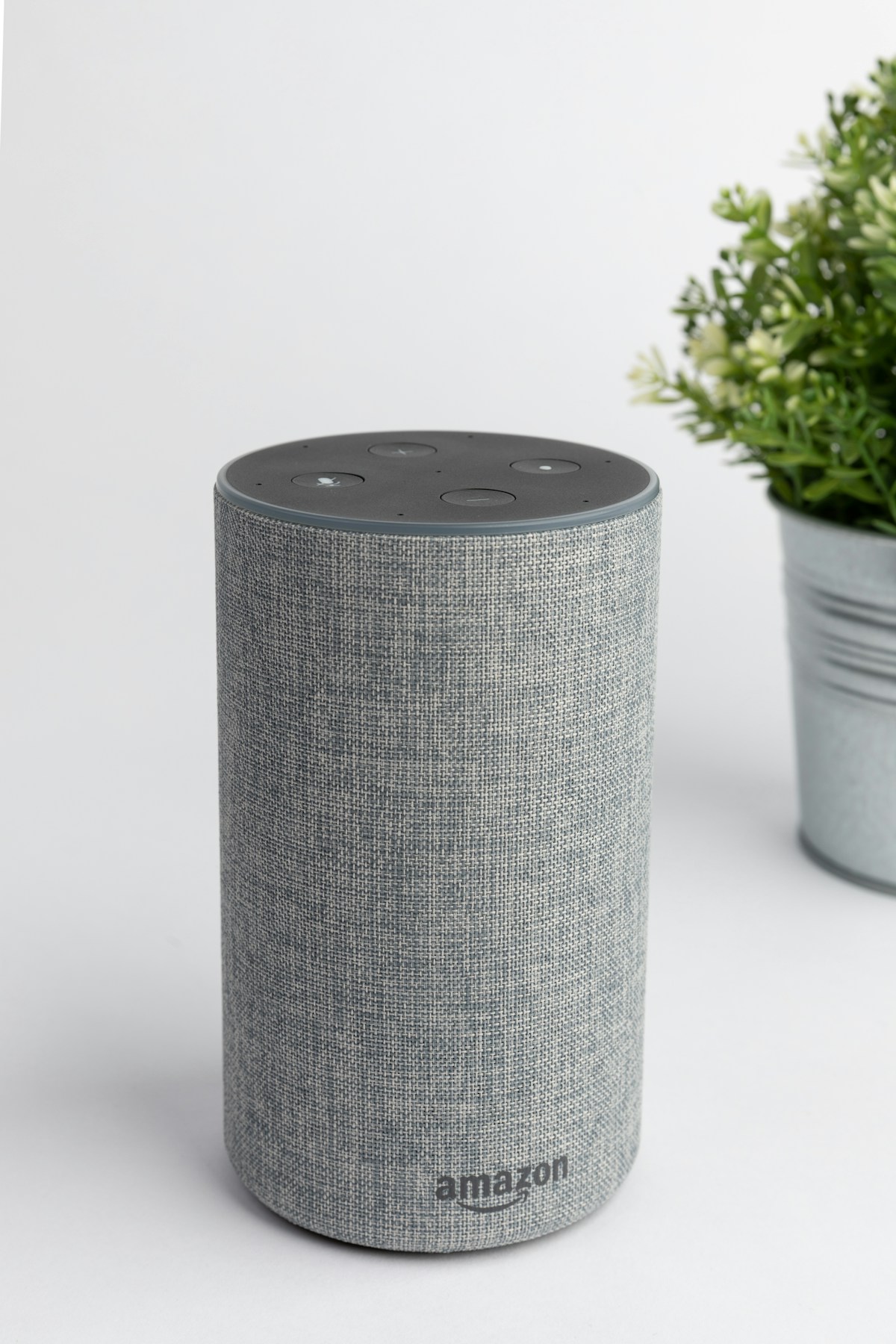
Caption: Smart climate control is where the best smart home devices 2026 save real money.
5. Best Smart Home Devices 2026 Lighting Pick: Colour Smart Bulbs
Smart bulbs remain the cheapest way to transform a room. Beyond on/off and dimming, you get schedules, circadian-friendly colour temperature shifts, and scenes for movie nights or focused work. Matter-compatible bulbs now pair directly with your hub of choice. Best for: renters and every room in the house. Watch out for: wall switches — if someone flips the physical switch off, the bulb goes dumb. Smart switches solve this in high-traffic rooms. Typical price: $10–$25 per bulb.
6. Best Smart Home Devices 2026 Lock: Keypad Smart Lock
A keypad smart lock ends lost-key panic and lets you issue temporary codes for guests, cleaners, or deliveries. The best models auto-lock behind you, log every entry, and keep working with a physical key as backup. Best for: families, landlords, and Airbnb hosts. Watch out for: door thickness and deadbolt compatibility — measure before buying. Typical price: $150–$280.
7. Best Smart Home Devices 2026 Cleaning Pick: Robot Vacuum with Mop
Robot vacuums have matured from novelty to genuine household help. The best 2026 models map your home, avoid cables and pet messes, empty themselves, and mop hard floors in the same run. For a deeper comparison of the category, see our roundup of the best robot vacuums 2026. Best for: pet owners and busy households. Watch out for: high-pile rugs and cluttered floors — a quick tidy before each run still helps. Typical price: $300–$800.
8. Best Smart Home Devices 2026 Safety Pick: Smart Smoke and Leak Sensors
The least glamorous devices on this list may be the most valuable. Smart smoke alarms alert your phone even when you are away, and leak sensors placed near washing machines and water heaters catch drips before they become floods. Some insurers offer discounts for monitored leak detection. Best for: every home, especially older properties. Watch out for: battery life — choose sensors with multi-year batteries and low-battery alerts. Typical price: $25–$120.
9. Best Smart Home Devices 2026 Entertainment Pick: Smart TV and Streaming Hub
A modern smart TV is now a smart home dashboard: it shows doorbell feeds, dims the lights for movie night, and takes voice commands. If your current TV still works fine, a $30–$50 streaming stick delivers most of the same magic. Best for: living rooms and home cinemas. Watch out for: overspending on panel specs you will never notice — prioritise picture quality and a clean, ad-light interface. Typical price: $400–$1,200 for TVs, $30–$50 for sticks.
📊 Best Smart Home Devices 2026 Comparison Table
| Device | Best For | Typical Price | Subscription Needed? |
|---|---|---|---|
| Smart speaker hub | Whole-home control | $50–$100 | No |
| Video doorbell | Front-door security | $100–$200 | Optional |
| Security camera | Indoor/outdoor monitoring | $40–$150 | Optional |
| Learning thermostat | Energy savings | $130–$250 | No |
| Colour smart bulbs | Lighting scenes | $10–$25 each | No |
| Keypad smart lock | Keyless entry | $150–$280 | No |
| Robot vacuum + mop | Hands-free cleaning | $300–$800 | No |
| Smoke & leak sensors | Home safety | $25–$120 | No |
| Smart TV / streaming stick | Entertainment hub | $30–$1,200 | No |
🛒 Best Smart Home Devices 2026 Buying Guide
Pick an ecosystem first, devices second. If your household lives on iPhones, Apple Home and HomeKit-compatible gear will feel effortless. Android-heavy homes usually suit Google Home or Alexa. Matter bridges the gaps, but voice assistant preference still matters daily — you will talk to this system more than you tap it.
Check your Wi-Fi before you buy. A home full of cameras and sensors exposes weak Wi-Fi fast. If your router is more than four years old, consider a mesh upgrade first — it is the unglamorous purchase that makes everything else work. Our guide to the best Wi-Fi 7 routers 2026 explains what actually matters. For wearables that extend the same ecosystem to your wrist, see the best smartwatches 2026.
Budget in phases. Phase one ($150–$300): hub speaker, two or three bulbs, and a video doorbell or camera. Phase two ($300–$600): thermostat, lock, and sensors. Phase three ($500+): robot vacuum, whole-home audio, and entertainment upgrades.
Prioritise privacy. Turn on two-factor authentication for every smart home account, use a unique password per service, disable voice purchasing or set a PIN, and review camera sharing permissions quarterly. Devices that process video locally and offer end-to-end encryption deserve preference, especially for cameras inside the home.

Caption: The best smart home devices 2026 work quietly in the background — automation should feel invisible.
⚠️ 5 Setup Mistakes to Avoid
- Buying before checking compatibility. Confirm Matter, Thread, Alexa, Google, or HomeKit support for your ecosystem — not just “works with Wi-Fi”.
- Putting cameras on weak Wi-Fi. Outdoor cameras need a strong signal; add a mesh node or outdoor access point first.
- Ignoring subscriptions. Add three years of subscription costs to the sticker price before comparing models.
- Over-automating on day one. Start with three automations you actually want; add more only after a month of use.
- Skipping security basics. Default passwords, shared accounts, and unpatched firmware are how smart homes get compromised.
❓ Frequently Asked Questions
What are the best smart home devices 2026 for beginners?
Start with a Matter-compatible smart speaker, two or three colour smart bulbs, and a video doorbell. This trio costs under $300, installs in an afternoon, and teaches you how automations work before you invest in thermostats, locks, or cameras.
Do the best smart home devices 2026 need a hub?
Not always. Many Wi-Fi and Thread devices connect directly to your phone or a smart speaker that acts as a hub. Dedicated hubs still help in large homes or with Zigbee and Z-Wave gear, but most beginners can skip a standalone hub entirely in 2026.
Are smart home devices safe from hackers?
No connected device is perfectly safe, but the risk is manageable: use unique passwords, enable two-factor authentication, keep firmware updated, and choose reputable brands with a track record of security patches. Avoid no-name cameras and locks from unknown sellers.
Do smart home devices work without internet?
Partially. Devices with local control (Matter over Thread, Zigbee, Z-Wave) keep running basic automations during an outage, but voice commands and remote access usually need the cloud. A hub with local processing is the best insurance against outages.
How much do the best smart home devices 2026 cost in total?
A strong starter setup runs $300–$500, a comfortable whole-home setup $1,000–$2,000, and a premium setup with cameras everywhere, whole-home audio, and automated blinds can pass $5,000. Buy in phases and let each phase prove its value before the next.
✅ Final Verdict
The best smart home devices 2026 are not the flashiest ones — they are the reliable, compatible, and secure ones you forget are even there. Start with a hub speaker, add security and lighting, then layer in climate and cleaning as your budget allows. Check Matter compatibility, count subscription costs honestly, and secure every account from day one.
And if you are setting up automations for the first time, a good walkthrough helps more than a spec sheet. For clear, beginner-friendly explainers on getting the most from AI-powered gadgets and apps, these step-by-step AI tutorials are a handy companion while you configure routines, voice commands, and automations. Done right, your home will not just be smart — it will feel thoughtfully, quietly helpful.
Sources note: Product categories, typical prices, and compatibility guidance reflect manufacturer specifications and major retailer listings as of October 2026, alongside industry market reports on smart home adoption. Prices vary by region and retailer; check current listings before purchase. This article is an independent guide and is not sponsored by any manufacturer.